Sacred Churches

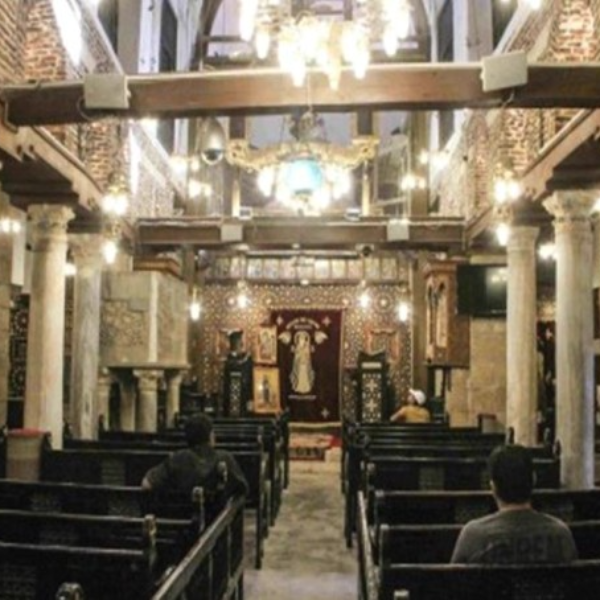
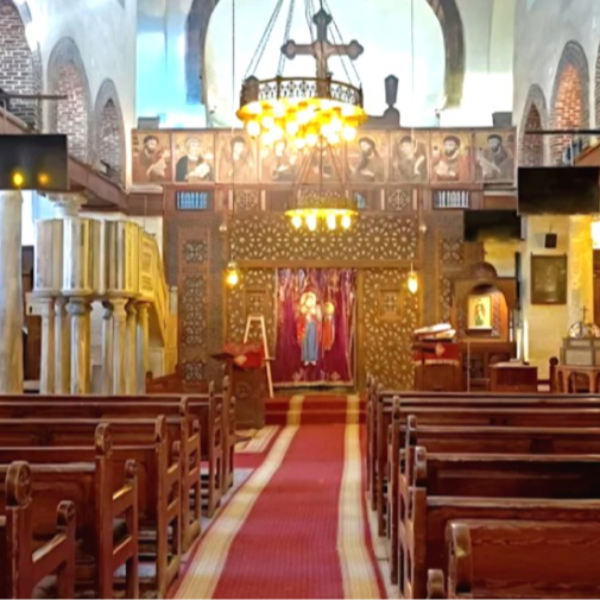
These churches commemorate locations where the Holy Family is believed to have rested, prayed, or found shelter during their journey through Egypt. Many continue to serve as active centers of worship, preserving centuries of Christian devotion and tradition.
  • Historic churches built upon sacred traditions
  • Active places of prayer and pilgrimage
  • Important landmarks in Egypt's Christian heritage
  • Preserved through generations of faith and worship

Church of the Virgin Mary - Mostorod
  • Greater Cairo
  • Sacred Churches

Church of the Virgin Mary - Mostorod

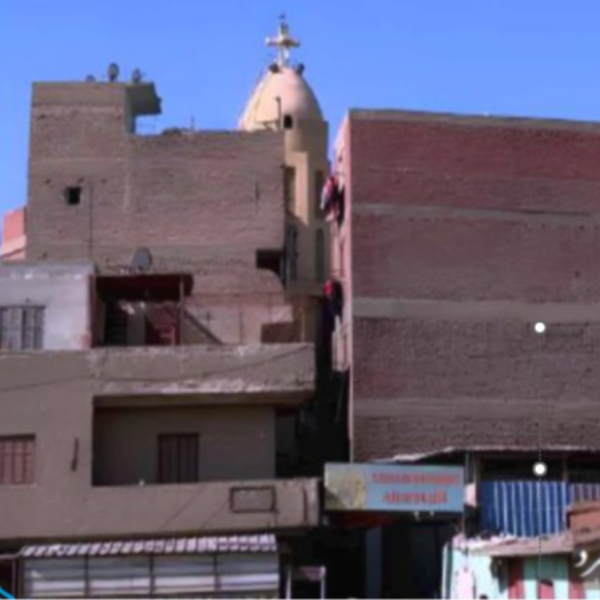
The Historical Church of the Blessed Virgin Mary in Mostorod (also known as Al-Mahama) is one of the most prominent stops along Egypt’s Holy Family Trail. Located just 10 kilometers north of Cairo in the Qalyubia Governorate, this Coptic Orthodox sanctuary marks the spot where the Virgin Mary, Saint Joseph, and the infant Jesus took refuge when fleeing King Herod.

  • One of the significant sites along the Holy Family Route.
  • It features a well from which the Child Jesus drank and in which He bathed, hence it is known as "Al-Mahma."
  • It also houses a grotto where the Holy Family took refuge.

The Proposed Plan:

  • Removal of informal structures obstructing the view of the church from the main road.
  • Securing a plot of land for the construction of a rest area, restrooms, and a cafeteria to accommodate tourists.
  • Designating a parking area for buses, police vehicles, and ambulances.

St. Mary's Church in Haret Zeweila - El Gamaliya
  • Greater Cairo
  • Sacred Churches

St. Mary's Church in Haret Zeweila - El Gamaliya

One of Cairo's oldest and most historically significant Coptic monuments, dating back to the 4th century AD. Located in the historic Fatimid district of El Gamaliya, it serves as a vital landmark along the Holy Family's flight to Egypt.

  • It features a well and a grotto where the Holy Family took refuge.
  • It houses two convents for nuns.
  • It is one of the most significant Christian archaeological sites and is considered a major center of Coptic heritage.
  • It served as the seat of the Patriarchate, and twenty-eight Patriarchs are interred there.

The Proposed Plan:

  • Demolition of three buildings at the entrance to widen it from the direction of Port Said Street.
  • Construction of a tourism services center and a bus terminal for tourists.

Saints Sergius and Bacchus Church (Abu Serga)
  • Greater Cairo
  • Sacred Churches

Saints Sergius and Bacchus Church (Abu Serga)

Saints Sergius and Bacchus Church (Abu Serga) is arguably the most sacred anchor on the Holy Family Trail, built directly over the specific subterranean cave where the Holy Family hid for three months.

  • It is one of the most significant sites associated with the Holy Family and one of the oldest historical churches in Old Cairo.
  • Believed to have been built in the 4th or 5th century AD, it houses a water well and a grotto where the Holy Family took refuge.
  • It is known as the Church of the Grotto; the grotto itself is situated underground at a depth of ten meters.
  • It is considered one of the most important tourist and religious landmarks in Egypt.

The Proposed Project
The construction of a 150-room hotel designed to serve the region's archaeological sites, totaling 18 distinct locations, which encompass Islamic, Christian, and Jewish heritage.

The Challenges
Securing a 5-feddan plot of land within the previously cleared informal settlement zone, a site that presents significant investment opportunities.
The Virgin Mary Church - Maadi
  • Greater Cairo
  • Sacred Churches

The Virgin Mary Church - Maadi

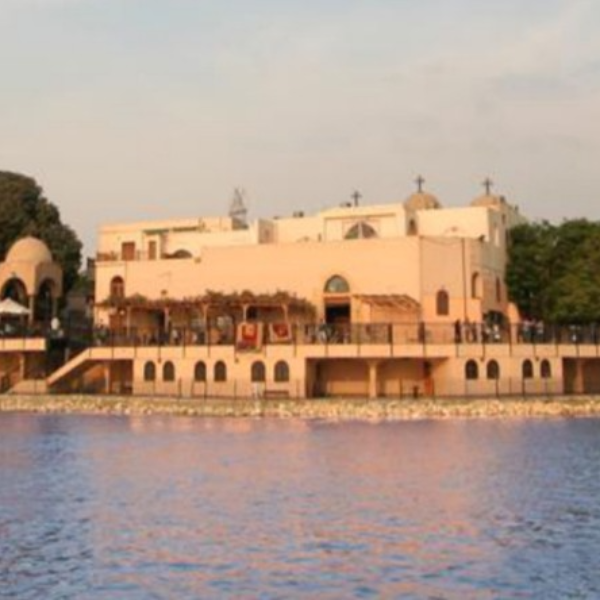
The Church of the Virgin Mary in Maadi marks the critical riverside location where the Holy Family concluded their journey through Cairo and boarded a wooden sailboat to travel south into Upper Egypt.

  • It is situated directly on the Nile River.
  • The Holy Family passed through this site while en route to Upper Egypt.
  • It features a water well and a tunnel leading directly to the Nile.
  • A copy of the Bible was discovered floating on the river's surface, open to the verse: "Blessed be My people, Egypt."

The Proposed Plan

  • Designating a 100-meter-long mooring dock for tourist vessels transporting visitors to Upper Egypt to continue their journey along the Holy Family Route.
  • Constructing a cafeteria, restrooms, a primary healthcare center, and bazaars.

Challenges

  • Securing a plot of land for the construction of the cafeteria, healthcare center, and restrooms.
  • Obtaining the necessary permits for the construction of the mooring dock and the floating vessel.