

About the project

Developing a Sacred Journey for the World

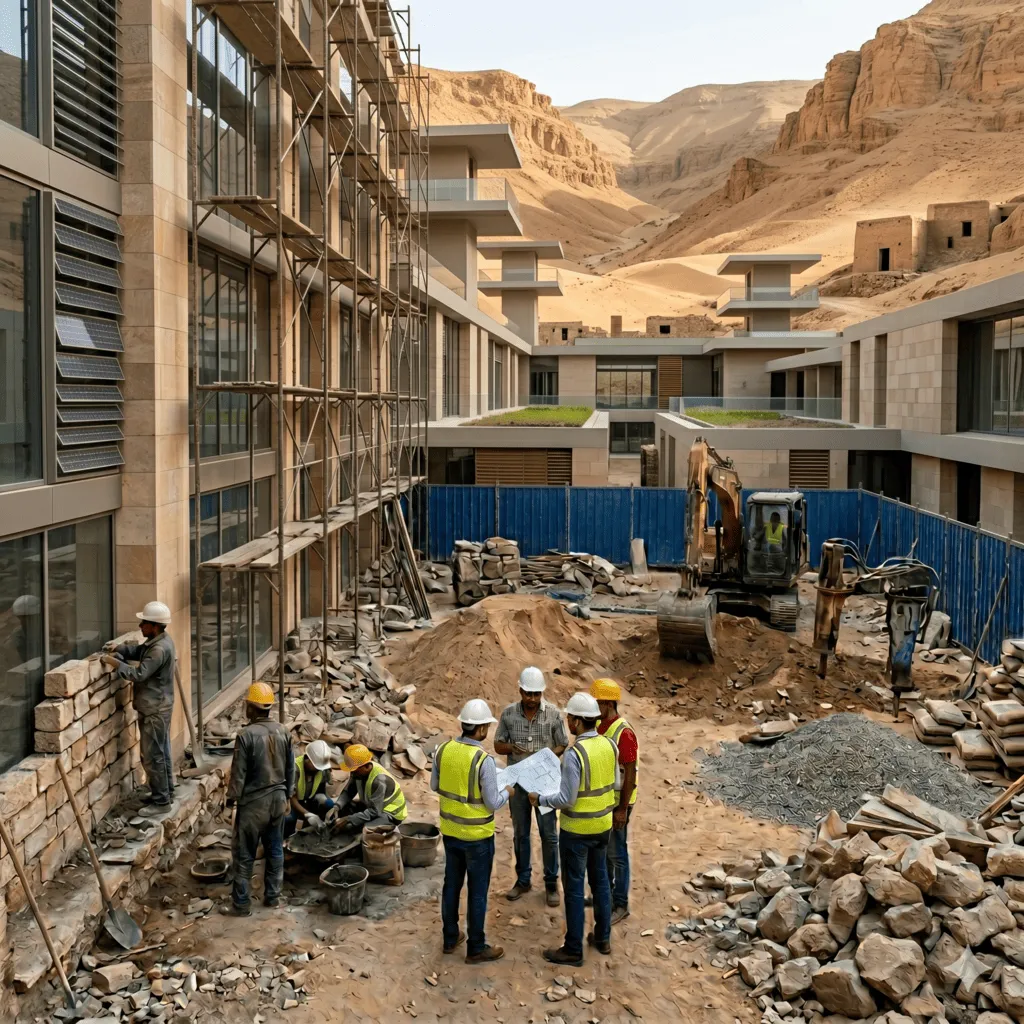
Al Masar is leading the first phase of developing the Holy Family Trail across Egypt, a national initiative dedicated to heritage preservation, pilgrimage readiness, and destination development. The project focuses on enhancing key sacred sites through infrastructure improvements, visitor services, hospitality facilities, accessibility upgrades, and environmental restoration, creating a welcoming and spiritually meaningful experience for pilgrims and visitors from around the world while preserving a living legacy that has shaped faith and culture for centuries.

  • Developed in coordination with the Coptic Patriarchate & Egyptian heritage authorities

  • Aligned with UNESCO-recognised pilgrimage corridors

  • One coordinated plan across ten sites and five governorates

10

Priority Sites
in Phase One

25

Sacred Stations
on the Full Trail

5

Egyptian Governorates
Covered in Phase One

2000+

Years of Unbroken
Pilgrim Tradition
about us image
About us image 2
Why This Project Matters

Preparing a Sacred Journey for the World

The Holy Family Trail represents one of the world’s most meaningful spiritual journeys, a living path of faith, heritage, and pilgrimage that has been preserved through centuries of devotion. Across Egypt, sacred churches, monasteries, springs, caves, and historic landmarks continue to welcome worshippers and pilgrims seeking a deeper connection to this extraordinary story.

Today, the opportunity is not only to preserve this heritage, but to prepare it for the world through thoughtful development, accessibility improvements, visitor services, hospitality infrastructure, and coordinated destination planning. The project is designed to transform the pilgrimage experience while safeguarding the spiritual authenticity and cultural significance of the trail for future generations.

Al Masar works in collaboration with the Coptic Patriarchate, national heritage authorities, local dioceses, and public institutions to deliver a unified development vision, creating a connected, welcoming, and sustainable pilgrimage route across Egypt.

Our Six Development Pillars

Six Pillars for Preparing the Trail

The Holy Family Trail is being developed through six integrated pillars that combine heritage preservation, infrastructure enhancement, hospitality readiness, digital integration, visitor services, and sustainable destination planning, creating a coordinated and welcoming pilgrimage experience across every sacred location.

01

Visitor Services & Hospitality Facilities

Hospitality and visitor-support facilities, including bazaars, restaurants, cafés, and rest areas, are being developed to provide pilgrims and tourists with a comfortable and enriching experience while supporting local economic activity and community engagement.

02

Landscape Design & Environmental Integration

Each site is being enhanced through landscaping, greenery, and thoughtful environmental design that reflects the spiritual and cultural character of the location. Boundary treatments and visual organization are also being introduced to preserve the integrity of the sacred spaces.

03

Visitor Transportation & Parking Facilities

Dedicated parking and waiting areas are being developed near the sites to accommodate buses, private vehicles, and organized pilgrimage groups. These facilities are designed to improve visitor flow, comfort, and operational efficiency.

04

Accessibility & Road Connectivity

Infrastructure improvements are being implemented to facilitate easier and safer access to the pilgrimage sites. This includes enhancing surrounding roads, improving directional access, and ensuring smoother movement for visitors and tour operators.

05

Surrounding Area Enhancement

Efforts are focused on removing unplanned or visually disruptive developments surrounding the sacred sites in order to restore the dignity, visibility, and spiritual atmosphere of each location. This creates a more welcoming and respectful environment for pilgrims and visitors.

06

Heritage Restoration & Site Revitalization

Sacred sites along the trail are being carefully restored and revitalized to preserve their historical, spiritual, and architectural significance. This includes improving the condition of churches, monasteries, and surrounding heritage areas to ensure they remain protected and accessible for future generations.

Phase One · The Ten Priority Sites

Ten Sacred Sites, Individually Planned

Each sacred site along the trail carries its own spiritual story and historical identity, from ancient churches and holy springs to sacred trees, caves, monasteries, and places of refuge. Every location is supported by a tailored development approach designed around its heritage value, surrounding environment, visitor needs, and long-term preservation, ensuring that each destination is enhanced with care, authenticity, and respect for its unique character.

The Virgin Mary Church - Maadi
Site 01 · Greater Cairo
The Virgin Mary Church - Maadi

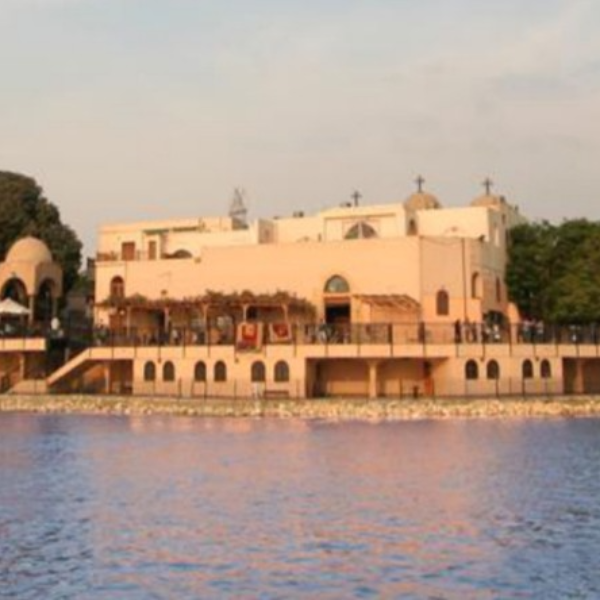
The Church of the Virgin Mary in Maadi marks the critical riverside location where the Holy Family concluded their journey through Cairo and boarded a wooden sailboat to travel south into Upper Egypt.

  • It is situated directly on the Nile River.
  • The Holy Family passed through this site while en route to Upper Egypt.
  • It features a water well and a tunnel leading directly to the Nile.
  • A copy of the Bible was discovered floating on the river's surface, open to the verse: "Blessed be My people, Egypt."

The Proposed Plan

  • Designating a 100-meter-long mooring dock for tourist vessels transporting visitors to Upper Egypt to continue their journey along the Holy Family Route.
  • Constructing a cafeteria, restrooms, a primary healthcare center, and bazaars.

Challenges

  • Securing a plot of land for the construction of the cafeteria, healthcare center, and restrooms.
  • Obtaining the necessary permits for the construction of the mooring dock and the floating vessel.
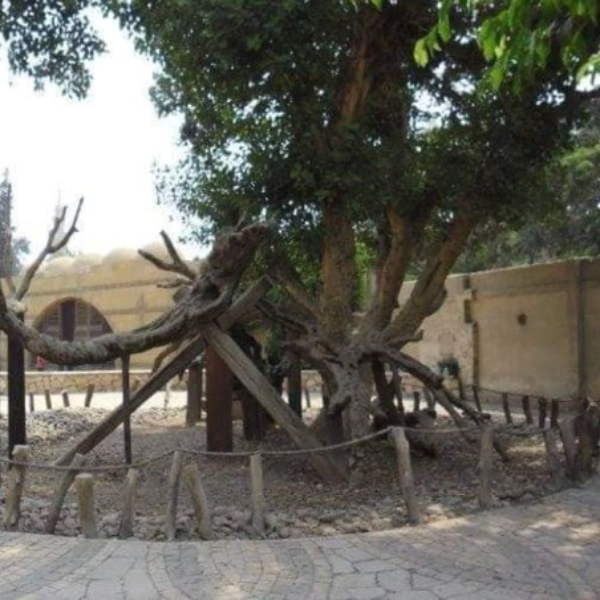
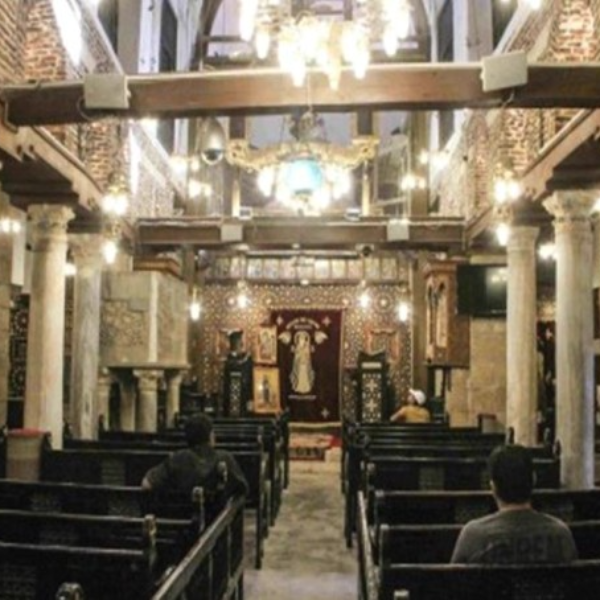
The Virgin Mary's Tree
Site 02 · Greater Cairo
The Virgin Mary's Tree

The Tree of Mary is considered one of the most significant sites along the Holy Family Route, as it was here that the Child Jesus caused a wellspring to gush forth, a well that remains at the site to this day. Beside it grew an aromatic plant known as the balsam; indeed, a street in the area bears its name "Balsam Street" while another is named "Mary's Well." Given the renown of this location, Empress Eugénie of France insisted upon visiting it during her trip to Egypt for the inauguration of the Suez Canal, held during the reign of Khedive Ismail.

The Proposed Plan:

  • Demolition of ten (10) public housing units situated between the Tree of Mary and the Catholic Church.
  • Opening of the road connecting the Church and the Tree of Mary.

St. Mary's Church in Haret Zeweila - El Gamaliya
Site 03 · Greater Cairo
St. Mary's Church in Haret Zeweila - El Gamaliya

One of Cairo's oldest and most historically significant Coptic monuments, dating back to the 4th century AD. Located in the historic Fatimid district of El Gamaliya, it serves as a vital landmark along the Holy Family's flight to Egypt.

  • It features a well and a grotto where the Holy Family took refuge.
  • It houses two convents for nuns.
  • It is one of the most significant Christian archaeological sites and is considered a major center of Coptic heritage.
  • It served as the seat of the Patriarchate, and twenty-eight Patriarchs are interred there.

The Proposed Plan:

  • Demolition of three buildings at the entrance to widen it from the direction of Port Said Street.
  • Construction of a tourism services center and a bus terminal for tourists.

Church of the Virgin Mary - Mostorod
Site 04 · Greater Cairo
Church of the Virgin Mary - Mostorod

The Historical Church of the Blessed Virgin Mary in Mostorod (also known as Al-Mahama) is one of the most prominent stops along Egypt’s Holy Family Trail. Located just 10 kilometers north of Cairo in the Qalyubia Governorate, this Coptic Orthodox sanctuary marks the spot where the Virgin Mary, Saint Joseph, and the infant Jesus took refuge when fleeing King Herod.

  • One of the significant sites along the Holy Family Route.
  • It features a well from which the Child Jesus drank and in which He bathed, hence it is known as "Al-Mahma."
  • It also houses a grotto where the Holy Family took refuge.

The Proposed Plan:

  • Removal of informal structures obstructing the view of the church from the main road.
  • Securing a plot of land for the construction of a rest area, restrooms, and a cafeteria to accommodate tourists.
  • Designating a parking area for buses, police vehicles, and ambulances.

Deir El-Muharraq
Site 05 · Assiut
The Monastery of the Virgin Mary at Mount Qusqam (Deir El-Muharraq)

This is the absolute crown jewel and the most critical geographical location on the entire Holy Family Trail. The Holy Family resided here for six months and ten days, their longest single stay anywhere in Egypt.

  • The site encompasses the Church of the Virgin Mary, also known as "The Abandoned House" where the Holy Family once resided; the structure has remained preserved in its original state to this day.
  • This church is considered the very first church in the world, having been consecrated by Jesus Christ Himself.
  • A monastery for monks has been established adjacent to the church.
  • The area has evolved into a sacred site, attracting tourists from all corners of the globe.

Proposed Development Plan:

  • Construction of a hotel featuring 100 guest rooms.
  • Establishment of an exhibition hall for ancient artifacts within the monastery.
  • Development of a visitor center, situated outside the monastery walls, comprising a cafeteria, a medical clinic, and restroom facilities.

Challenges:

  • Paving the access road leading to the monastery.
  • Identifying a suitable location for the hotel and the tourist facilities intended to serve international visitors.

The Monastery of the Virgin Mary at Gabal El-Teir
Site 06 · Minya
The Monastery of the Virgin Mary at Gabal El-Teir - Al Minia

The heart of this monastery is an ancient church carved entirely out of the solid rock cliff face, sheltering the exact stone cave where the Holy Family hid for three days during their journey into Upper Egypt.

  • The monastery is situated atop the mountain adjacent to the Nile, east of Samalut in the Minya Governorate.
  • It stands as one of the most significant pilgrimage sites associated with the Holy Family, featuring a church carved directly into the rock face.
  • Approximately three million visitors, both Christians and Muslims, visit this church annually during August.
  • The site houses a grotto where the Holy Family once took refuge.

Proposed Development Plan:

  • Construction of a 4-star hotel with a capacity of 150 guest rooms.
  • Installation of a cable car system traversing the Nile and the agricultural lands to reach the mountain summit to the east.
  • Construction of a docking facility on the eastern bank of the Nile to accommodate tourist cruise ships, along with the establishment of a road link connecting the Desert Road to the Agricultural Road.
  • Allocation of a 6-acre plot of land to accommodate the hotel, as well as other tourism-related activities and projects.

Deir Al-Amir Tadros
Site 07 · Assiut
Deir Al-Amir Tadros - Asyut

Like many strongholds in Upper Egypt, this 4th-century mountain monastery centers around an ancient church carved entirely out of a limestone cave. Local tradition holds that the Holy Family hid within this specific cliffside cavern to rest and evade Roman checkpoints patrolling the valley.

  • The monastery is situated directly on the Nile River.
  • It is considered a distinguished archaeological site.
  • It features caves carved into the mountain.

Proposed Plan:
To construct a cable car system connecting the Monastery of Prince Tadros with the Hanging Monastery of St. Mina at Mount Abnoub.

Challenges:
Obtaining the necessary permits and approvals for the construction of the cable car system.

Saints Sergius and Bacchus Church (Abu Serga)
Site 08 · Greater Cairo
Saints Sergius and Bacchus Church (Abu Serga)

Saints Sergius and Bacchus Church (Abu Serga) is arguably the most sacred anchor on the Holy Family Trail, built directly over the specific subterranean cave where the Holy Family hid for three months.

  • It is one of the most significant sites associated with the Holy Family and one of the oldest historical churches in Old Cairo.
  • Believed to have been built in the 4th or 5th century AD, it houses a water well and a grotto where the Holy Family took refuge.
  • It is known as the Church of the Grotto; the grotto itself is situated underground at a depth of ten meters.
  • It is considered one of the most important tourist and religious landmarks in Egypt.

The Proposed Project
The construction of a 150-room hotel designed to serve the region's archaeological sites, totaling 18 distinct locations, which encompass Islamic, Christian, and Jewish heritage.

The Challenges
Securing a 5-feddan plot of land within the previously cleared informal settlement zone, a site that presents significant investment opportunities.

The Hanging Monastery of Saint Mina on Mount Abnoub
Site 09 · Assiut
The Hanging Monastery of Saint Mina on Mount Abnoub - Asyut

Hanging dramatically about 170 meters above sea level on a sheer cliff face, this 4th-century monastery was built around mountain caves that historically provided absolute secrecy. While the main body of the trail traces the valley floor, local traditions point to these elevated cliff systems as secure lookout zones where the Holy Family hid to map their safe passage, evading Herod's patrols before descending back down to the Nile banks.

The monastery is situated within the heart of the mountain, overlooking the Nile.

The Proposed Plan

  • Construction of a 4-star hotel with a capacity of 100 guest rooms.
  • Installation of an elevator to facilitate tourist access to the grotto and the adjacent archaeological site located within the mountain.

Challenges

  • Paving the road leading to the monastery.
  • Securing licensing approvals and administrative facilities required for implementing the plan.
  • Acquisition of a 5-acre plot of land adjacent to the monastery for the construction of the hotel and associated tourism facilities.

Nabaa El Hamra
Site 10 · Wadi El Natrun
Nabaa El Hamra - Wadi El Natrun

The Miraculous Spring ("Mary's Well"): According to Coptic tradition, when the Holy Family traversed the harsh desert of Wadi El Natrun, the infant Jesus grew thirsty. The Virgin Mary tried to gather water from the vast salt lake, but it was far too bitter. Upon her prayer, a freshwater spring erupted directly in the very center of this hypersaline lake so the child could drink.

A freshwater spring situated in the center of a saline lake.
The Holy Family visited this site and drank from this pristine spring.
It is located in close proximity to some of the oldest monasteries (St. Macarius, St. Bishoy, the Monastery of the Syrians, and the Monastery of the Romans).
The lake contains Natron salt, a substance utilized by the ancient Egyptians in the mummification process.

Proposed Development Plan:

  • Establishment of a hospital for the treatment of dermatological conditions, situated directly at the spring site.
  • Construction of a high-standard retirement home with a capacity for 100 families, covering an area of ​​5 feddans.
  • Construction of a 4-star hotel featuring 150 guest rooms.
  • Development of a tourism and eco-tourism zone offering traditional meals and artisanal rural products.
  • Installation of a solar power station, spanning 5 feddans, to provide electricity for the entire project.
  • Construction of an access road connecting the site to the Cairo–Alexandria Desert Road and the neighboring monastery districts.

How We Work

Respecting Heritage. Enhancing Experience.

The Holy Family Trail is more than a tourism project, it is a living spiritual and cultural legacy. Every development decision is guided by a commitment to preserve the authenticity of sacred sites while creating a welcoming, accessible, and meaningful experience for pilgrims and visitors. Our approach balances heritage conservation, visitor readiness, community engagement, and long-term sustainability through a unified vision across the entire trail.

Heritage Preservation

Protecting What Makes Each Site Sacred

Every site is treated as a unique piece of Egypt’s spiritual and historical heritage. Development efforts are designed to safeguard the authenticity, character, and religious significance of each location while ensuring its preservation for future generations.

Pilgrim-Centered Development

Creating Meaningful and Accessible Experiences

From arrival and orientation to movement between sites and visitor services, every element is planned with the pilgrim experience in mind. The goal is to make the journey comfortable, inspiring, and accessible while maintaining the spiritual atmosphere of each destination.

One Unified Vision

Connecting Sacred Sites Through a Shared Journey

While each site has its own history and identity, all developments are guided by a single strategic vision. This creates a consistent standard of quality, interpretation, accessibility, and visitor experience across the trail, allowing pilgrims to experience the journey as one connected spiritual path.

Community Partnership

Supporting Local Communities Along the Trail

The Holy Family Trail is designed to create lasting value for the communities that host it. By encouraging local participation, cultural engagement, and economic opportunities, the project helps ensure that the benefits of pilgrimage tourism contribute directly to regional development.