

Sobre el proyecto

Desarrollando el Camino de la Sagrada Familia — un programa nacional para el patrimonio, el peregrinaje y el territorio

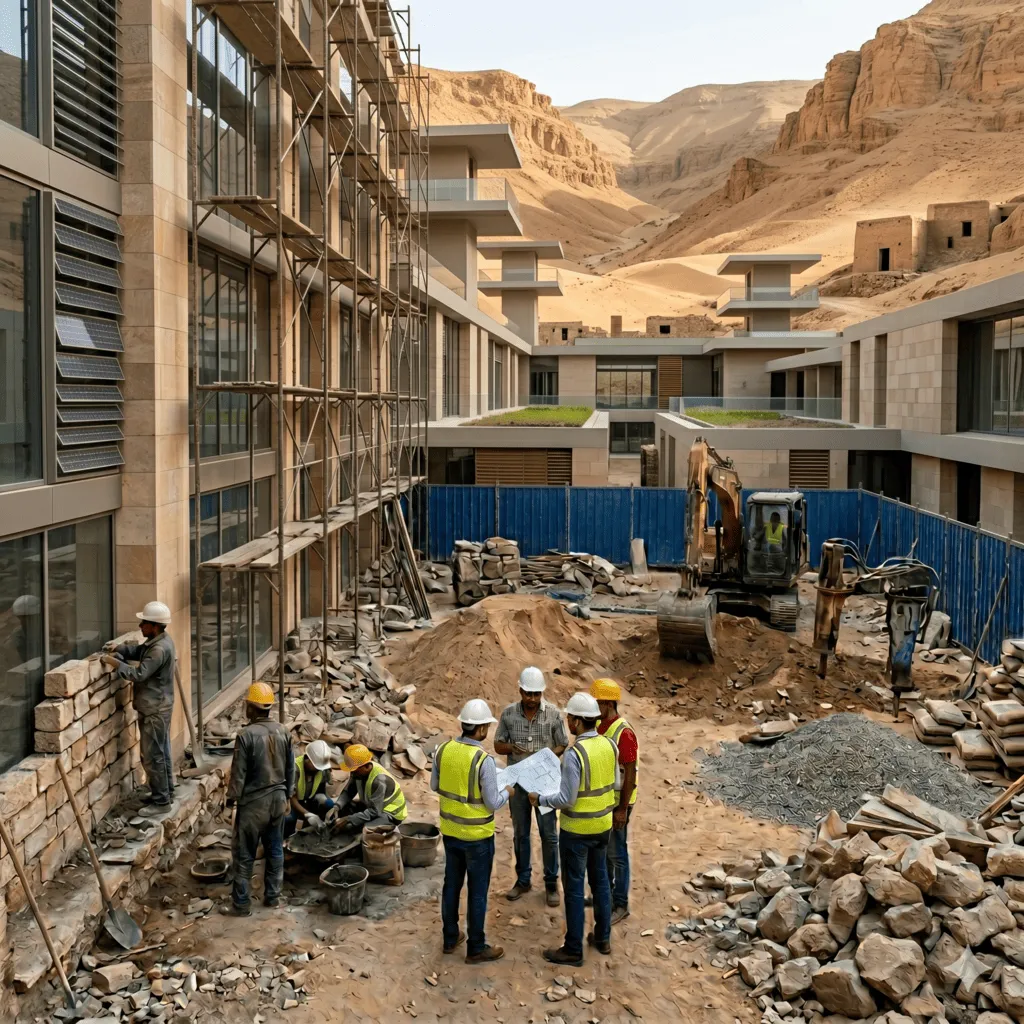
Al Masar lidera la Fase Uno del desarrollo de la ruta que la Sagrada Familia recorrió a través de Egipto. Nuestro trabajo comienza en diez estaciones sagradas prioritarias: eliminando invasiones, pavimentando caminos de acceso y construyendo casas de descanso, hoteles, clínicas y servicios para visitantes necesarios para recibir a los peregrinos de todos los continentes, salvaguardando al mismo tiempo un patrimonio vivo que ha moldeado la fe y la cultura durante dos milenios.

  • Aprobado por el Patriarcado Copto Ortodoxo y las autoridades del patrimonio egipcio

  • Alineado con los corredores de peregrinaje reconocidos por la UNESCO

  • Un plano coordinado único a través de diez sitios y cinco gobernaciones

10

Sitios Prioritarios
en la Fase Uno

25

Estaciones Sagradas
en la Ruta Completa

5

Gobernaciones Egipcias
Cubiertas en la Fase Uno

2000+

Años de Ininterrumpida
Tradición de Peregrinación
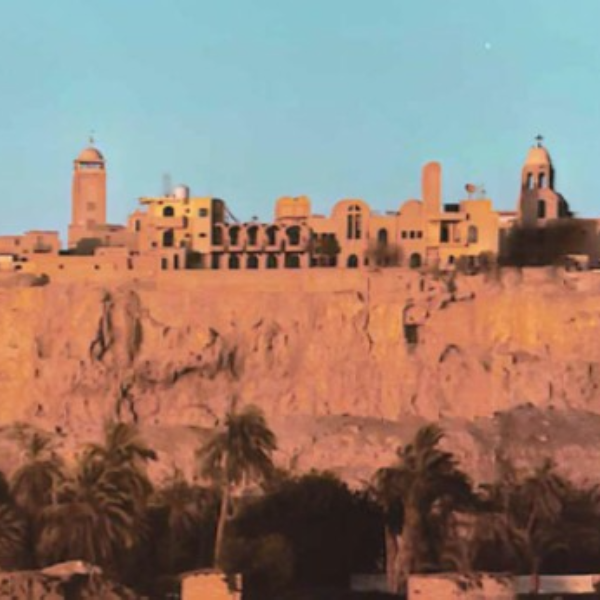
about us image
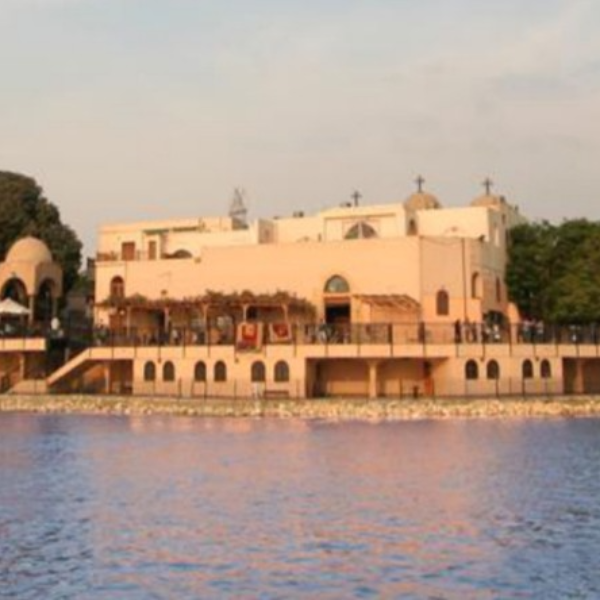
About us image 2
Por qué es importante este proyecto

Una ruta que el mundo está listo para recorrer — una vez que el terreno esté listo para recibirlo

La huida de la Sagrada Familia a través de Egipto es uno de los relatos de peregrinaje más antiguos de la memoria viva. Sus estaciones (cuevas, pozos, monasterios de montaña, un sicómoro que aún da sombra a los fieles) son auténticas, están bien documentadas y se utilizan activamente en el culto. Lo que les ha faltado es la infraestructura complementaria: visibilidad clara, caminos de acceso pavimentados, alojamiento, baños y los servicios coordinados que permitan a un visitante trasladarse desde El Cairo hasta Asiut con dignidad.

Al Masar existe para cerrar esa brecha. Trabajamos en colaboración con el Patriarcado Copto Ortodoxo, las diócesis pertinentes, el Ministerio de Turismo y Antigüedades, y los gobernadores de las gobernaciones anfitrionas, ofreciendo un programa único y coordinado en lugar de una dispersión de intervenciones aisladas.

Nuestros seis pilares de desarrollo

Seis pilares para la preparación del camino

En cada estación sagrada, nuestro programa de la Fase 1 combina la protección del patrimonio con los servicios que esperan los peregrinos y visitantes, trabajando a partir de un plan único y coordinado en los diez sitios.

01

Despeje de Sitios y Protección del Patrimonio

Eliminar las construcciones informales que ocultan iglesias y monasterios históricos, restaurar las líneas de visión desde las calles principales y salvaguardar el entorno arqueológico.

02

Vías de Acceso y Transporte

Pavimentar las vías de acceso a los monasterios, conectarlas con las autopistas principales y proporcionar estacionamiento exclusivo para autobuses, puestos de policía y puntos de ambulancia en cada estación.

03

Descanso del Peregrino y Servicios al Visitante

Casas de descanso, cafeterías, baños limpios y bazares locales construidos junto a cada sitio sagrado para dar la bienvenida a los peregrinos y facilitar el viaje entre estaciones.

04

Alojamiento para Peregrinos

Nuevos hoteles con capacidad variable (da 100 a 150 habitaciones) en Abu Serga, Wadi El Natrun, Abnoub y Al-Muharraq, para atender a las zonas de patrimonio circundantes.

05

Servicios de Salud y Comunitarios

Un hospital dermatológico en el manantial de Al-Hamra, centros de atención primaria junto a los monasterios de El Cairo y un hogar familiar para ancianos en Wadi El Natrun.

06

Infraestructura Sostenible

Estaciones de energía solar, un puerto fluvial para peregrinos en el Nilo en Maadi y un teleférico que conecta los monasterios del Príncipe Tadros y Mar Mina a través de las montañas de Asiut.

Fase uno · Los diez sitios prioritarios

Diez estaciones sagradas, diez planes de desarrollo a medida

Cada sitio conlleva su propia tradición: una cueva, un pozo, un árbol, un embarque fluvial, un monasterio de montaña, un manantial sagrado. Cada uno cuenta también con su propio plan de desarrollo, adaptado al terreno, la comunidad y las autoridades del patrimonio que lo custodian.

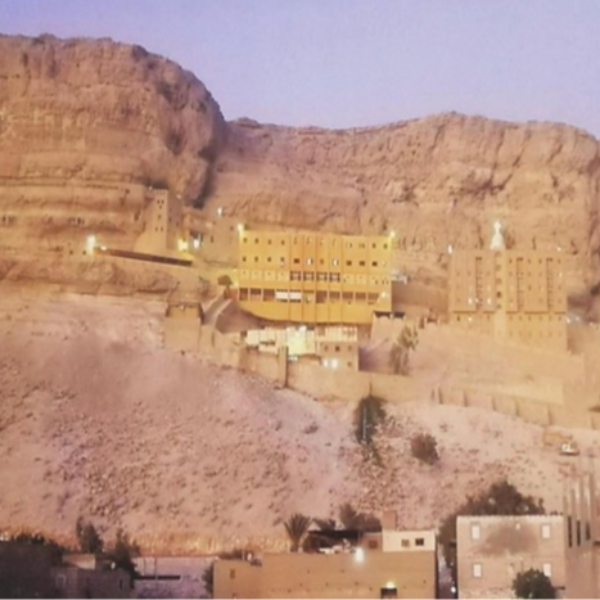
The Hanging Monastery of Saint Mina on Mount Abnoub
Sitio 01 · Asiut
The Hanging Monastery of Saint Mina on Mount Abnoub - Asyut

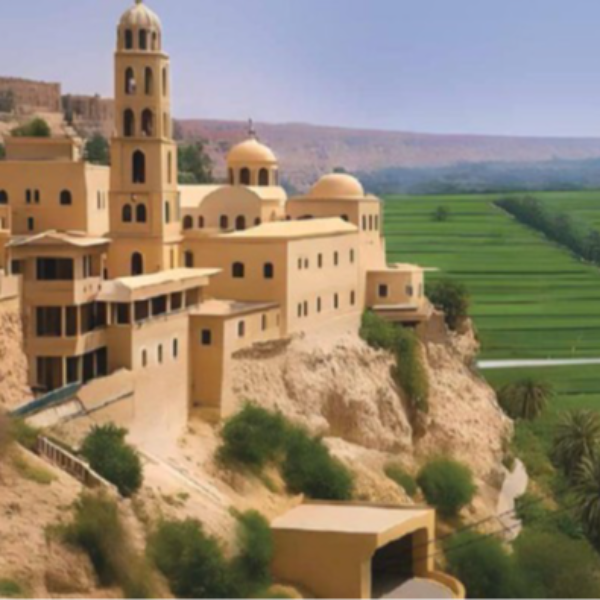
Hanging dramatically about 170 meters above sea level on a sheer cliff face, this 4th-century monastery was built around mountain caves that historically provided absolute secrecy. While the main body of the trail traces the valley floor, local traditions point to these elevated cliff systems as secure lookout zones where the Holy Family hid to map their safe passage, evading Herod's patrols before descending back down to the Nile banks.

The monastery is situated within the heart of the mountain, overlooking the Nile.

The Proposed Plan

  • Construction of a 4-star hotel with a capacity of 100 guest rooms.
  • Installation of an elevator to facilitate tourist access to the grotto and the adjacent archaeological site located within the mountain.

Challenges

  • Paving the road leading to the monastery.
  • Securing licensing approvals and administrative facilities required for implementing the plan.
  • Acquisition of a 5-acre plot of land adjacent to the monastery for the construction of the hotel and associated tourism facilities.
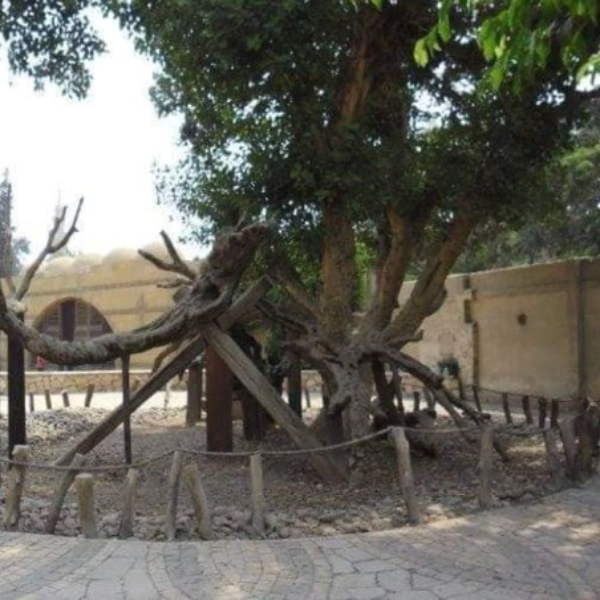
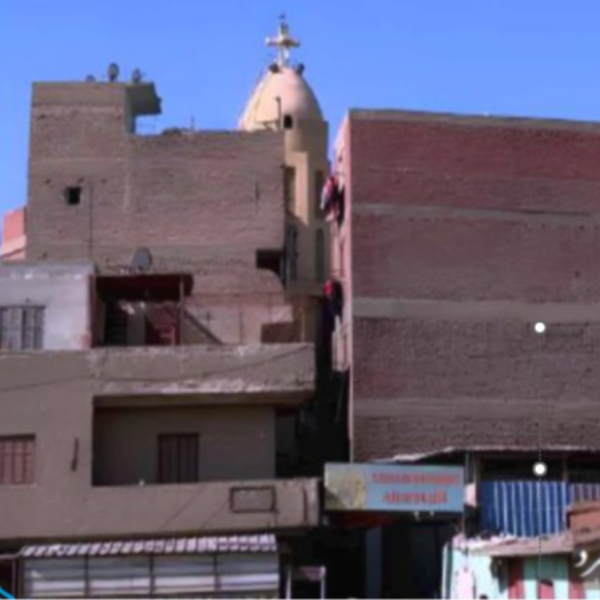
The Virgin Mary's Tree
Sitio 02 · Gran Cairo
The Virgin Mary's Tree

The Tree of Mary is considered one of the most significant sites along the Holy Family Route, as it was here that the Child Jesus caused a wellspring to gush forth, a well that remains at the site to this day. Beside it grew an aromatic plant known as the balsam; indeed, a street in the area bears its name "Balsam Street" while another is named "Mary's Well." Given the renown of this location, Empress Eugénie of France insisted upon visiting it during her trip to Egypt for the inauguration of the Suez Canal, held during the reign of Khedive Ismail.

The Proposed Plan:

  • Demolition of ten (10) public housing units situated between the Tree of Mary and the Catholic Church.
  • Opening of the road connecting the Church and the Tree of Mary.

Church of the Virgin Mary - Mostorod
Sitio 03 · Gran Cairo
Church of the Virgin Mary - Mostorod

The Historical Church of the Blessed Virgin Mary in Mostorod (also known as Al-Mahama) is one of the most prominent stops along Egypt’s Holy Family Trail. Located just 10 kilometers north of Cairo in the Qalyubia Governorate, this Coptic Orthodox sanctuary marks the spot where the Virgin Mary, Saint Joseph, and the infant Jesus took refuge when fleeing King Herod.

  • One of the significant sites along the Holy Family Route.
  • It features a well from which the Child Jesus drank and in which He bathed—hence it is known as "Al-Mahma."
  • It also houses a grotto where the Holy Family took refuge.

Saints Sergius and Bacchus Church (Abu Serga)
Sitio 04 · Gran Cairo
Saints Sergius and Bacchus Church (Abu Serga)

Saints Sergius and Bacchus Church (Abu Serga) is arguably the most sacred anchor on the Holy Family Trail, built directly over the specific subterranean cave where the Holy Family hid for three months.

  • It is one of the most significant sites associated with the Holy Family and one of the oldest historical churches in Old Cairo.
  • Believed to have been built in the 4th or 5th century AD, it houses a water well and a grotto where the Holy Family took refuge.
  • It is known as the Church of the Grotto; the grotto itself is situated underground at a depth of ten meters.
  • It is considered one of the most important tourist and religious landmarks in Egypt.

The Proposed Project
The construction of a 150-room hotel designed to serve the region's archaeological sites—totaling 18 distinct locations—which encompass Islamic, Christian, and Jewish heritage.

The Challenges
Securing a 5-feddan plot of land within the previously cleared informal settlement zone, a site that presents significant investment opportunities.

Deir Al-Amir Tadros
Sitio 05 · Asiut
Deir Al-Amir Tadros - Asyut

Like many strongholds in Upper Egypt, this 4th-century mountain monastery centers around an ancient church carved entirely out of a limestone cave. Local tradition holds that the Holy Family hid within this specific cliffside cavern to rest and evade Roman checkpoints patrolling the valley.

  • The monastery is situated directly on the Nile River.
  • It is considered a distinguished archaeological site.
  • It features caves carved into the mountain.

Proposed Plan:
To construct a cable car system connecting the Monastery of Prince Tadros with the Hanging Monastery of St. Mina at Mount Abnoub.

Challenges:
Obtaining the necessary permits and approvals for the construction of the cable car system.

Deir El-Muharraq
Sitio 06 · Asiut
The Monastery of the Virgin Mary at Mount Qusqam (Deir El-Muharraq)

This is the absolute crown jewel and the most critical geographical location on the entire Holy Family Trail. The Holy Family resided here for six months and ten days, their longest single stay anywhere in Egypt.

  • The site encompasses the Church of the Virgin Mary, also known as "The Abandoned House" where the Holy Family once resided; the structure has remained preserved in its original state to this day.
  • This church is considered the very first church in the world, having been consecrated by Jesus Christ Himself.
  • A monastery for monks has been established adjacent to the church.
  • The area has evolved into a sacred site, attracting tourists from all corners of the globe.

Proposed Development Plan:

  • Construction of a hotel featuring 100 guest rooms.
  • Establishment of an exhibition hall for ancient artifacts within the monastery.
  • Development of a visitor center, situated outside the monastery walls, comprising a cafeteria, a medical clinic, and restroom facilities.

Challenges:

  • Paving the access road leading to the monastery.
  • Identifying a suitable location for the hotel and the tourist facilities intended to serve international visitors.

Nabaa El Hamra
Sitio 07 · Uadi Natrun
Nabaa El Hamra - Wadi El Natrun

The Miraculous Spring ("Mary's Well"): According to Coptic tradition, when the Holy Family traversed the harsh desert of Wadi El Natrun, the infant Jesus grew thirsty. The Virgin Mary tried to gather water from the vast salt lake, but it was far too bitter. Upon her prayer, a freshwater spring erupted directly in the very center of this hypersaline lake so the child could drink.

A freshwater spring situated in the center of a saline lake.
The Holy Family visited this site and drank from this pristine spring.
It is located in close proximity to some of the oldest monasteries (St. Macarius, St. Bishoy, the Monastery of the Syrians, and the Monastery of the Romans).
The lake contains Natron salt, a substance utilized by the ancient Egyptians in the mummification process.

Proposed Development Plan:

  • Establishment of a hospital for the treatment of dermatological conditions, situated directly at the spring site.
  • Construction of a high-standard retirement home with a capacity for 100 families, covering an area of ​​5 feddans.
  • Construction of a 4-star hotel featuring 150 guest rooms.
  • Development of a tourism and eco-tourism zone offering traditional meals and artisanal rural products.
  • Installation of a solar power station, spanning 5 feddans, to provide electricity for the entire project.
  • Construction of an access road connecting the site to the Cairo–Alexandria Desert Road and the neighboring monastery districts.

The Monastery of the Virgin Mary at Gabal El-Teir
Sitio 08 · Minya
The Monastery of the Virgin Mary at Gabal El-Teir - Al Minia

The heart of this monastery is an ancient church carved entirely out of the solid rock cliff face, sheltering the exact stone cave where the Holy Family hid for three days during their journey into Upper Egypt.

  • The monastery is situated atop the mountain adjacent to the Nile, east of Samalut in the Minya Governorate.
  • It stands as one of the most significant pilgrimage sites associated with the Holy Family, featuring a church carved directly into the rock face.
  • Approximately three million visitors, both Christians and Muslims, visit this church annually during August.
  • The site houses a grotto where the Holy Family once took refuge.

Proposed Development Plan:

  • Construction of a 4-star hotel with a capacity of 150 guest rooms.
  • Installation of a cable car system traversing the Nile and the agricultural lands to reach the mountain summit to the east.
  • Construction of a docking facility on the eastern bank of the Nile to accommodate tourist cruise ships, along with the establishment of a road link connecting the Desert Road to the Agricultural Road.
  • Allocation of a 6-acre plot of land to accommodate the hotel, as well as other tourism-related activities and projects.

The Virgin Mary Church - Maadi
Sitio 09 · Gran Cairo
The Virgin Mary Church - Maadi

The Church of the Virgin Mary in Maadi marks the critical riverside location where the Holy Family concluded their journey through Cairo and boarded a wooden sailboat to travel south into Upper Egypt.

  • It is situated directly on the Nile River.
  • The Holy Family passed through this site while en route to Upper Egypt.
  • It features a water well and a tunnel leading directly to the Nile.
  • A copy of the Bible was discovered floating on the river's surface, open to the verse: "Blessed be My people, Egypt."

The Proposed Plan

  • Designating a 100-meter-long mooring dock for tourist vessels transporting visitors to Upper Egypt to continue their journey along the Holy Family Route.
  • Constructing a cafeteria, restrooms, a primary healthcare center, and bazaars.

Challenges

  • Securing a plot of land for the construction of the cafeteria, healthcare center, and restrooms.
  • Obtaining the necessary permits for the construction of the mooring dock and the floating vessel.

St. Mary's Church in Haret Zeweila - El Gamaliya
Sitio 10 · Gran Cairo
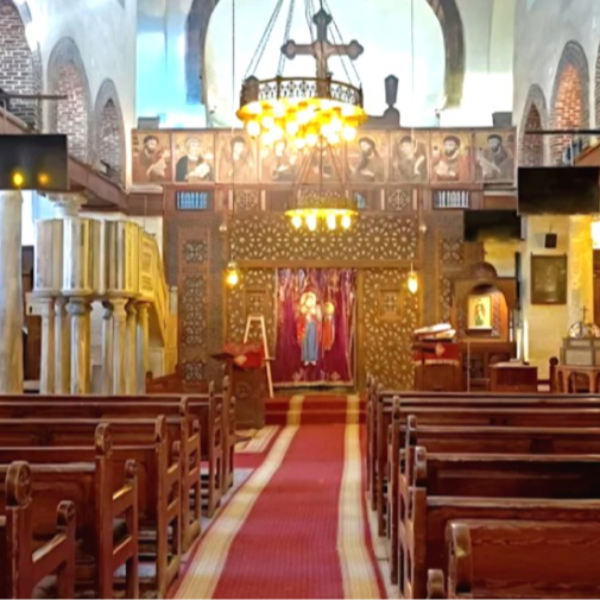
St. Mary's Church in Haret Zeweila - El Gamaliya

One of Cairo's oldest and most historically significant Coptic monuments, dating back to the 4th century AD. Located in the historic Fatimid district of El Gamaliya, it serves as a vital landmark along the Holy Family's flight to Egypt.

  • It features a well and a grotto where the Holy Family took refuge.
  • It houses two convents for nuns.
  • It is one of the most significant Christian archaeological sites and is considered a major center of Coptic heritage.
  • It served as the seat of the Patriarchate, and twenty-eight Patriarchs are interred there.

The Proposed Plan:

  • Demolition of three buildings at the entrance to widen it from the direction of Port Said Street.
  • Construction of a tourism services center and a bus terminal for tourists.

Cómo trabajamos

El patrimonio primero, arraigado en la comunidad, coordinado como uno solo

Los sitios del Camino de la Sagrada Familia no son terreno neutral. Son lugares de culto activos, comunidades monásticas vivas y un patrimonio arqueológico insustituible. Nuestros principios de ejecución reflejan esa responsabilidad.

Arraigado en la comunidad

Los bazares locales, las clínicas y los mercados de productos rurales garantizan que la economía de los visitantes beneficie a las comunidades receptoras.

Sustentabilidad integrada

Estaciones solares que alimentan los servicios locales, zonas peatonales tra las instalaciones y conexiones de transporte público que reducen las emisiones, para que la tierra sagrada permanezca intacta por generaciones, sin importar cuánto crezca el número de peregrinos.

El patrimonio primero

Cada intervención es revisada con la diócesis y el Consejo Supremo de Antigüedades antes de iniciar las obras.

Ejecución coordinada

Un solo programa en diez sitios, no diez proyectos aislados, para que la calidad y la identidad de marca sean consistentes.