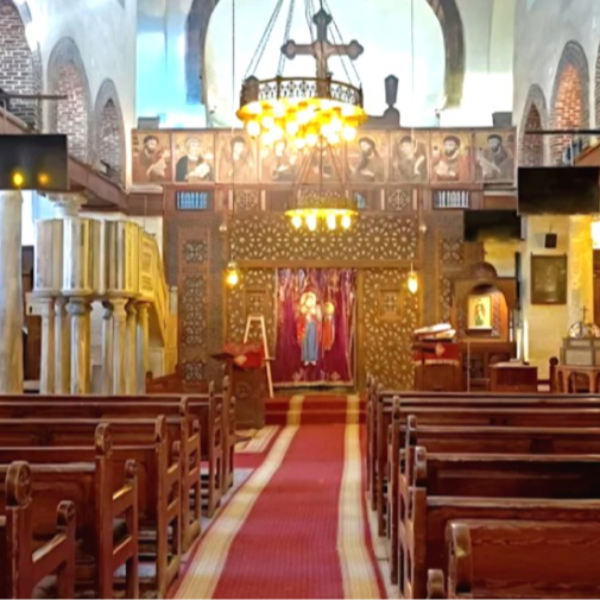


عن المشروع

تطوير مسار العائلة المقدسة — برنامج وطني للتراث، الحج، والمكان

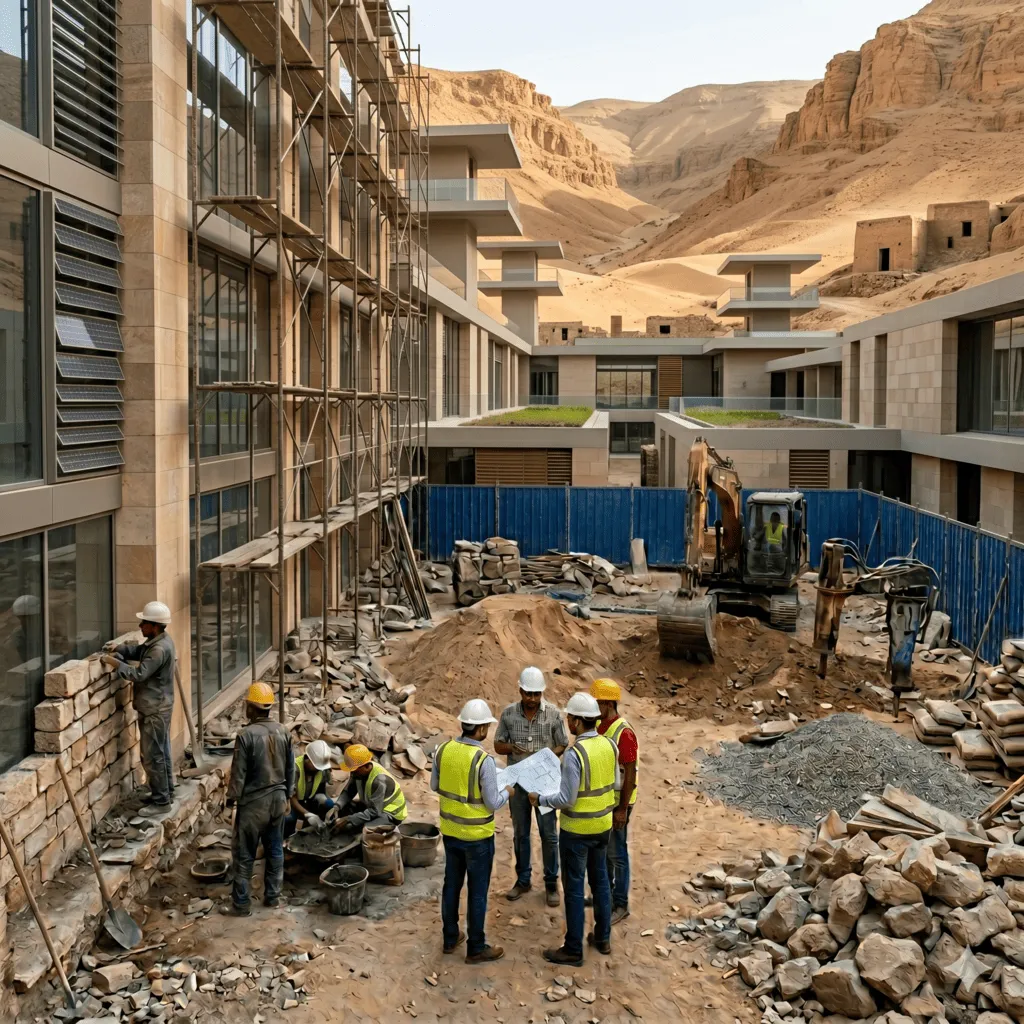
تقود مؤسسة المسار المرحلة الأولى من تطوير المسار الذي سارت فيه العائلة المقدسة عبر مصر. يبدأ عملنا في عشر محطات مقدسة ذات أولوية — إزالة التعديات، تمهيد الطرق المؤدية، وبناء استراحات، فنادق، عيادات، وخدمات الزوار اللازمة لاستقبال الحجاج من جميع القارات، مع الحفاظ على تراث حي شكل العقيدة والثقافة على مدى ألفي عام.

  • معتمد من بطريركية الأقباط الأرثوذكس وهيئات التراث المصرية

  • متوافق مع ممرات الحج المعترَف بها من قبل اليونسكو

  • خطة واحدة منسقة تشمل عشرة مواقع وخمس محافظات

10

المواقع ذات الأولوية
في المرحلة الأولى

25

المحطات المقدسة
على طول المسار الكامل

5

المحافظات المصرية
المشمولة في المرحلة الأولى

2000+

سنوات من العطاء الممتد
وتقاليد الحج المستمرة
about us image
About us image 2
لماذا يهم هذا المشروع

مسار مستعد العالم للسير فيه — بمجرد أن تصبح الأرض مستعدة لاستقباله

تعد رحلة العائلة المقدسة عبر مصر واحدة من أقدم قصص الحج في الذاكرة الحية. محطاتها — من مغارات، وآبار، وأديرة جبلية، وشجرة جميز لا تزال تظلل المؤمنين حتى اليوم — هي محطات أصلية، وموثقة جيدا، ومستخدمة بنشاط في العبادة. لكن ما كان ينقصها هو البنية التحتية المصاحبة: الرؤية الواضحة، الطرق المؤدية الممهدة، أماكن الإقامة، دورات المياه، والخدمات المنسقة التي تتيح للزائر الانتقال من القاهرة إلى أسيوط بكرامة.

لقد وجدت مؤسسة المسار لسد هذه الفجوة. نحن نعمل بالشراكة مع بطريركية الأقباط الأرثوذكس، والإيبارشيات المعنية، ووزارة السياحة والآثار، ومحافظي المحافظات المضيفة — لتقديم برنامج واحد منسق بدلا من مجموعة تدخلات معزولة ومشتتة.

ركائزنا التنموية الستة

ستة محاور رئيسية لتجهيز المسار

في كل محطة مقدسة، يجمع برنامج المرحلة الأولى بين حماية التراث والخدمات التي يتطلع إليها الحجاج والزوار — من خلال خطة عمل موحدة ومنسقة تشمل جميع المواقع العشرة.

01

إخلاء المواقع وحماية التراث

إزالة التعديات غير القانونية والعشوائيات التي تحجب الكنائس والأديرة التاريخية، واستعادة الرؤية البصرية من الشوارع الرئيسية، وحماية المحيط الأثري.

02

طرق الوصول ووسائل النقل

رصف الطرق المؤدية إلى الأديرة، وربطها بالطرق السريعة الرئيسية، وتوفير مواقف مخصصة للحافلات، ونقاط شرطة، ونقاط إسعاف عند كل محطة.

03

استراحة الحجاج وخدمات الزوار

بناء استراحات، وكافتيريات، ودورات مياه نظيفة، وبازارات محلية بجوار كل موقع مقدس لاستقبال الحجاج وتسهيل الرحلة بين المحطات.

04

إقامة وفنادق للحجاج

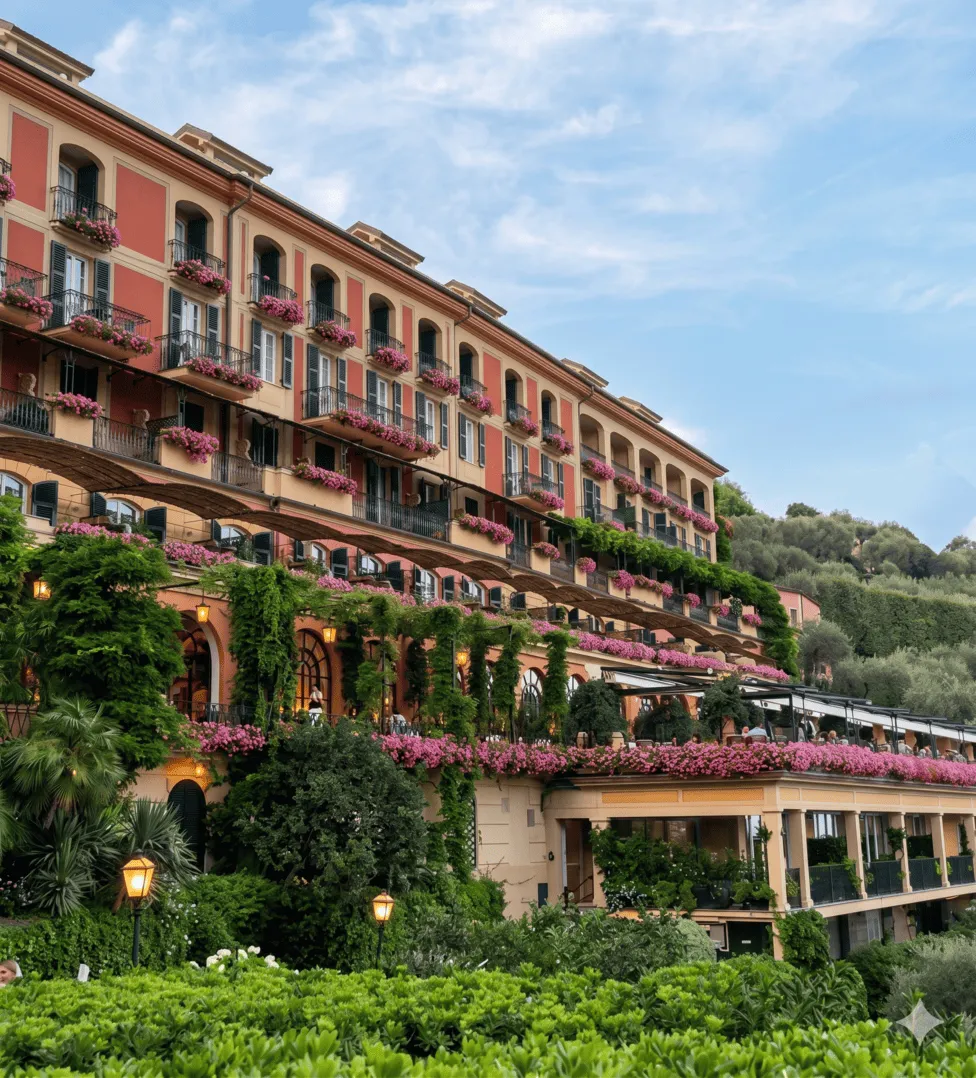
فنادق جديدة بطاقات استيعابية متنوعة — من 100 إلى 150 غرفة — في أبي سرجة، ووادي النطرون، وأبنوب، والدير المحرق، لخدمة المناطق التراثية المحيطة.

05

الخدمات الصحية والمجتمعية

مستشفى للأمراض الجلدية عند نبع الحمراء، ومراكز للرعاية الأولية بجوار أديرة القاهرة، ودار مسنين للمسنات ورعاية كبار السن في وادي النطرون.

06

البنية التحتية المستدامة

محطات طاقة شمسية، ومرسى نيلى للحجاج في المعادي، وتلفريك يربط بين ديري الأمير تادرس ومارمينا عبر جبال أسيوط.

المرحلة الأولى · المواقع العشرة ذات الأولوية

عشر محطات مقدسة، وعشر خطط تطوير مخصصة

يحمل كل موقع تقليده الخاص — مغارة، بئر، شجرة، مرسى نهري، دير جبلي، أو نبع مقدّس. كما يحمل كل منها خطة تطوير خاصة به، تشكلت بناء على طبيعة الأرض، المجتمع المحلي، وهيئات التراث التي ترعاه.

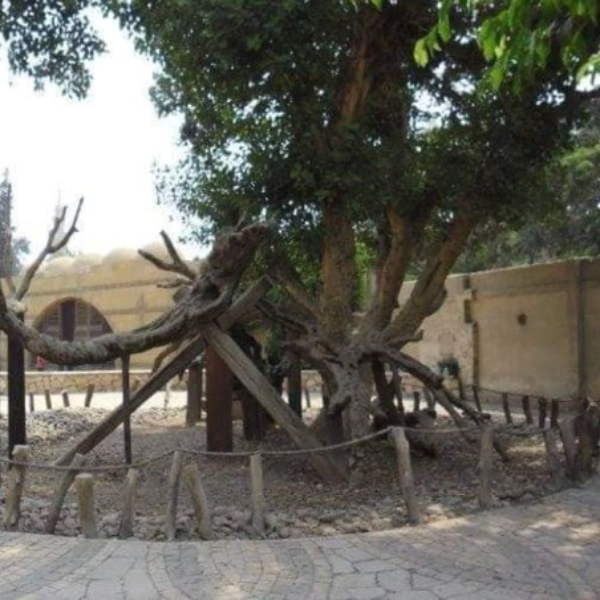
The Virgin Mary's Tree
الموقع 01 · القاهرة الكبرى
The Virgin Mary's Tree

The Tree of Mary is considered one of the most significant sites along the Holy Family Route, as it was here that the Child Jesus caused a wellspring to gush forth, a well that remains at the site to this day. Beside it grew an aromatic plant known as the balsam; indeed, a street in the area bears its name "Balsam Street" while another is named "Mary's Well." Given the renown of this location, Empress Eugénie of France insisted upon visiting it during her trip to Egypt for the inauguration of the Suez Canal, held during the reign of Khedive Ismail.

The Proposed Plan:

  • Demolition of ten (10) public housing units situated between the Tree of Mary and the Catholic Church.
  • Opening of the road connecting the Church and the Tree of Mary.
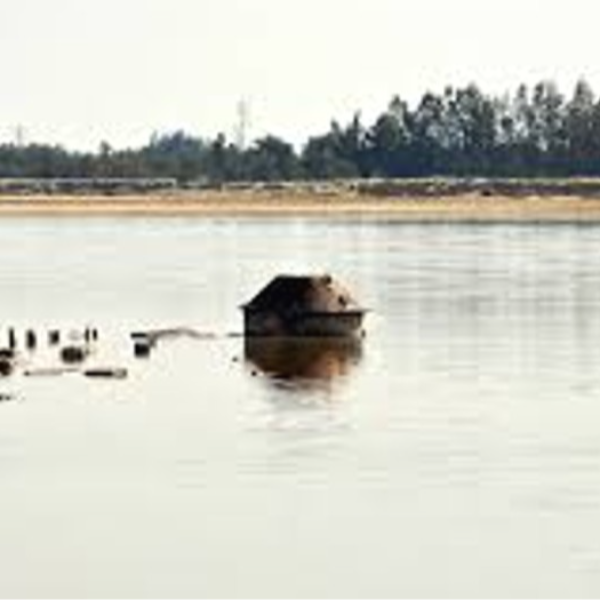
Nabaa El Hamra
الموقع 02 · وادي النطرون
Nabaa El Hamra - Wadi El Natrun

The Miraculous Spring ("Mary's Well"): According to Coptic tradition, when the Holy Family traversed the harsh desert of Wadi El Natrun, the infant Jesus grew thirsty. The Virgin Mary tried to gather water from the vast salt lake, but it was far too bitter. Upon her prayer, a freshwater spring erupted directly in the very center of this hypersaline lake so the child could drink.

A freshwater spring situated in the center of a saline lake.
The Holy Family visited this site and drank from this pristine spring.
It is located in close proximity to some of the oldest monasteries (St. Macarius, St. Bishoy, the Monastery of the Syrians, and the Monastery of the Romans).
The lake contains Natron salt, a substance utilized by the ancient Egyptians in the mummification process.

Proposed Development Plan:

  • Establishment of a hospital for the treatment of dermatological conditions, situated directly at the spring site.
  • Construction of a high-standard retirement home with a capacity for 100 families, covering an area of ​​5 feddans.
  • Construction of a 4-star hotel featuring 150 guest rooms.
  • Development of a tourism and eco-tourism zone offering traditional meals and artisanal rural products.
  • Installation of a solar power station, spanning 5 feddans, to provide electricity for the entire project.
  • Construction of an access road connecting the site to the Cairo–Alexandria Desert Road and the neighboring monastery districts.

Saints Sergius and Bacchus Church (Abu Serga)
الموقع 03 · القاهرة الكبرى
Saints Sergius and Bacchus Church (Abu Serga)

Saints Sergius and Bacchus Church (Abu Serga) is arguably the most sacred anchor on the Holy Family Trail, built directly over the specific subterranean cave where the Holy Family hid for three months.

  • It is one of the most significant sites associated with the Holy Family and one of the oldest historical churches in Old Cairo.
  • Believed to have been built in the 4th or 5th century AD, it houses a water well and a grotto where the Holy Family took refuge.
  • It is known as the Church of the Grotto; the grotto itself is situated underground at a depth of ten meters.
  • It is considered one of the most important tourist and religious landmarks in Egypt.

The Proposed Project
The construction of a 150-room hotel designed to serve the region's archaeological sites—totaling 18 distinct locations—which encompass Islamic, Christian, and Jewish heritage.

The Challenges
Securing a 5-feddan plot of land within the previously cleared informal settlement zone, a site that presents significant investment opportunities.

The Virgin Mary Church - Maadi
الموقع 04 · القاهرة الكبرى
The Virgin Mary Church - Maadi

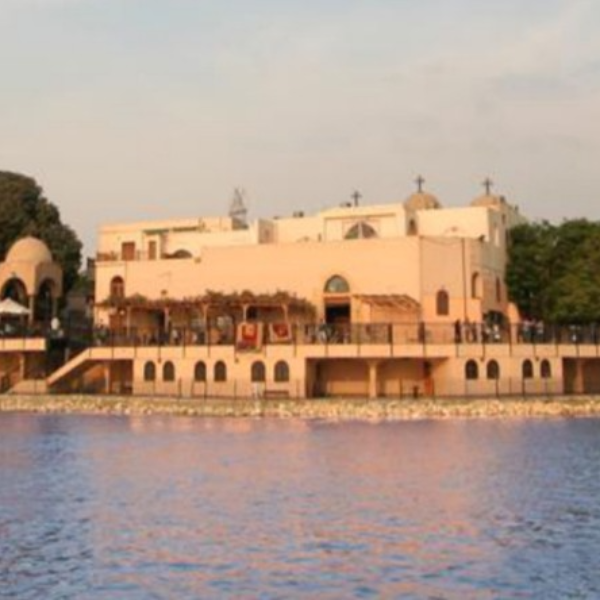
The Church of the Virgin Mary in Maadi marks the critical riverside location where the Holy Family concluded their journey through Cairo and boarded a wooden sailboat to travel south into Upper Egypt.

  • It is situated directly on the Nile River.
  • The Holy Family passed through this site while en route to Upper Egypt.
  • It features a water well and a tunnel leading directly to the Nile.
  • A copy of the Bible was discovered floating on the river's surface, open to the verse: "Blessed be My people, Egypt."

The Proposed Plan

  • Designating a 100-meter-long mooring dock for tourist vessels transporting visitors to Upper Egypt to continue their journey along the Holy Family Route.
  • Constructing a cafeteria, restrooms, a primary healthcare center, and bazaars.

Challenges

  • Securing a plot of land for the construction of the cafeteria, healthcare center, and restrooms.
  • Obtaining the necessary permits for the construction of the mooring dock and the floating vessel.

St. Mary's Church in Haret Zeweila - El Gamaliya
الموقع 05 · القاهرة الكبرى
St. Mary's Church in Haret Zeweila - El Gamaliya

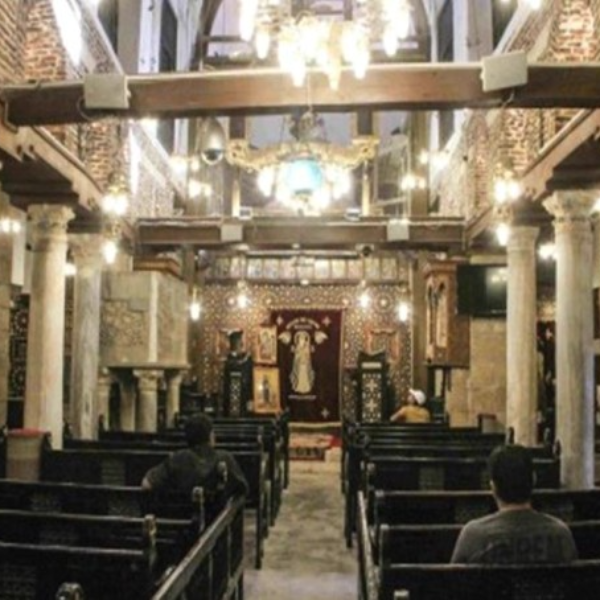
One of Cairo's oldest and most historically significant Coptic monuments, dating back to the 4th century AD. Located in the historic Fatimid district of El Gamaliya, it serves as a vital landmark along the Holy Family's flight to Egypt.

  • It features a well and a grotto where the Holy Family took refuge.
  • It houses two convents for nuns.
  • It is one of the most significant Christian archaeological sites and is considered a major center of Coptic heritage.
  • It served as the seat of the Patriarchate, and twenty-eight Patriarchs are interred there.

The Proposed Plan:

  • Demolition of three buildings at the entrance to widen it from the direction of Port Said Street.
  • Construction of a tourism services center and a bus terminal for tourists.

Deir Al-Amir Tadros
الموقع 06 · أسيوط
Deir Al-Amir Tadros - Asyut

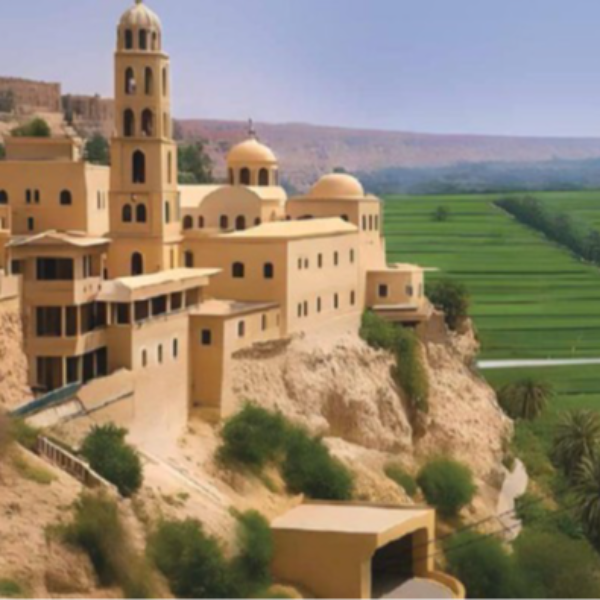
Like many strongholds in Upper Egypt, this 4th-century mountain monastery centers around an ancient church carved entirely out of a limestone cave. Local tradition holds that the Holy Family hid within this specific cliffside cavern to rest and evade Roman checkpoints patrolling the valley.

  • The monastery is situated directly on the Nile River.
  • It is considered a distinguished archaeological site.
  • It features caves carved into the mountain.

Proposed Plan:
To construct a cable car system connecting the Monastery of Prince Tadros with the Hanging Monastery of St. Mina at Mount Abnoub.

Challenges:
Obtaining the necessary permits and approvals for the construction of the cable car system.

The Monastery of the Virgin Mary at Gabal El-Teir
الموقع 07 · المنيا
The Monastery of the Virgin Mary at Gabal El-Teir - Al Minia

The heart of this monastery is an ancient church carved entirely out of the solid rock cliff face, sheltering the exact stone cave where the Holy Family hid for three days during their journey into Upper Egypt.

  • The monastery is situated atop the mountain adjacent to the Nile, east of Samalut in the Minya Governorate.
  • It stands as one of the most significant pilgrimage sites associated with the Holy Family, featuring a church carved directly into the rock face.
  • Approximately three million visitors, both Christians and Muslims, visit this church annually during August.
  • The site houses a grotto where the Holy Family once took refuge.

Proposed Development Plan:

  • Construction of a 4-star hotel with a capacity of 150 guest rooms.
  • Installation of a cable car system traversing the Nile and the agricultural lands to reach the mountain summit to the east.
  • Construction of a docking facility on the eastern bank of the Nile to accommodate tourist cruise ships, along with the establishment of a road link connecting the Desert Road to the Agricultural Road.
  • Allocation of a 6-acre plot of land to accommodate the hotel, as well as other tourism-related activities and projects.

Church of the Virgin Mary - Mostorod
الموقع 08 · القاهرة الكبرى
Church of the Virgin Mary - Mostorod

The Historical Church of the Blessed Virgin Mary in Mostorod (also known as Al-Mahama) is one of the most prominent stops along Egypt’s Holy Family Trail. Located just 10 kilometers north of Cairo in the Qalyubia Governorate, this Coptic Orthodox sanctuary marks the spot where the Virgin Mary, Saint Joseph, and the infant Jesus took refuge when fleeing King Herod.

  • One of the significant sites along the Holy Family Route.
  • It features a well from which the Child Jesus drank and in which He bathed—hence it is known as "Al-Mahma."
  • It also houses a grotto where the Holy Family took refuge.

The Hanging Monastery of Saint Mina on Mount Abnoub
الموقع 09 · أسيوط
The Hanging Monastery of Saint Mina on Mount Abnoub - Asyut

Hanging dramatically about 170 meters above sea level on a sheer cliff face, this 4th-century monastery was built around mountain caves that historically provided absolute secrecy. While the main body of the trail traces the valley floor, local traditions point to these elevated cliff systems as secure lookout zones where the Holy Family hid to map their safe passage, evading Herod's patrols before descending back down to the Nile banks.

The monastery is situated within the heart of the mountain, overlooking the Nile.

The Proposed Plan

  • Construction of a 4-star hotel with a capacity of 100 guest rooms.
  • Installation of an elevator to facilitate tourist access to the grotto and the adjacent archaeological site located within the mountain.

Challenges

  • Paving the road leading to the monastery.
  • Securing licensing approvals and administrative facilities required for implementing the plan.
  • Acquisition of a 5-acre plot of land adjacent to the monastery for the construction of the hotel and associated tourism facilities.

Deir El-Muharraq
الموقع 10 · أسيوط
The Monastery of the Virgin Mary at Mount Qusqam (Deir El-Muharraq)

This is the absolute crown jewel and the most critical geographical location on the entire Holy Family Trail. The Holy Family resided here for six months and ten days, their longest single stay anywhere in Egypt.

  • The site encompasses the Church of the Virgin Mary, also known as "The Abandoned House" where the Holy Family once resided; the structure has remained preserved in its original state to this day.
  • This church is considered the very first church in the world, having been consecrated by Jesus Christ Himself.
  • A monastery for monks has been established adjacent to the church.
  • The area has evolved into a sacred site, attracting tourists from all corners of the globe.

Proposed Development Plan:

  • Construction of a hotel featuring 100 guest rooms.
  • Establishment of an exhibition hall for ancient artifacts within the monastery.
  • Development of a visitor center, situated outside the monastery walls, comprising a cafeteria, a medical clinic, and restroom facilities.

Challenges:

  • Paving the access road leading to the monastery.
  • Identifying a suitable location for the hotel and the tourist facilities intended to serve international visitors.

كيف نعمل

التراث أولا، متجذر في المجتمع، ومنسق ككيان واحد

إن المواقع الواقعة على مسار العائلة المقدسة ليست أرضا محايدة؛ بل هي أماكن عبادة نشطة، مجتمعات رهبانية حية، وتراث أثري لا يعوض. وتعكس مبادئ التنفيذ لدينا هذه المسؤولية.

تنفيذ منسق

برنامج واحد ممتد عبر عشرة مواقع — وليس عشرة مشاريع معزولة — لضمان اتساق الجودة والهوية التجارية.

الاستدامة في جوهر العمل

محطات طاقة شمسية لتشغيل الخدمات في الموقع، مسارات مشاة ممتدة بين كل المنشآت، وربط وسائل النقل العام للحد من الانبعاثات — للحفاظ على سلامة الأرض المقدسة لأجيال قادمة مهما تزايدت أعداد الحجاج.

التراث أولاً

يتم مراجعة كل جزء من العمل مع الإيبارشية والمجلس الأعلى للآثار قبل البدء في أي أعمال إنشائية.

متجذر في المجتمع

تضمن البازارات المحلية، العيادات، وأسواق المنتجات الريفية عودة العوائد الاقتصادية للسياحة إلى المجتمعات المضيفة.