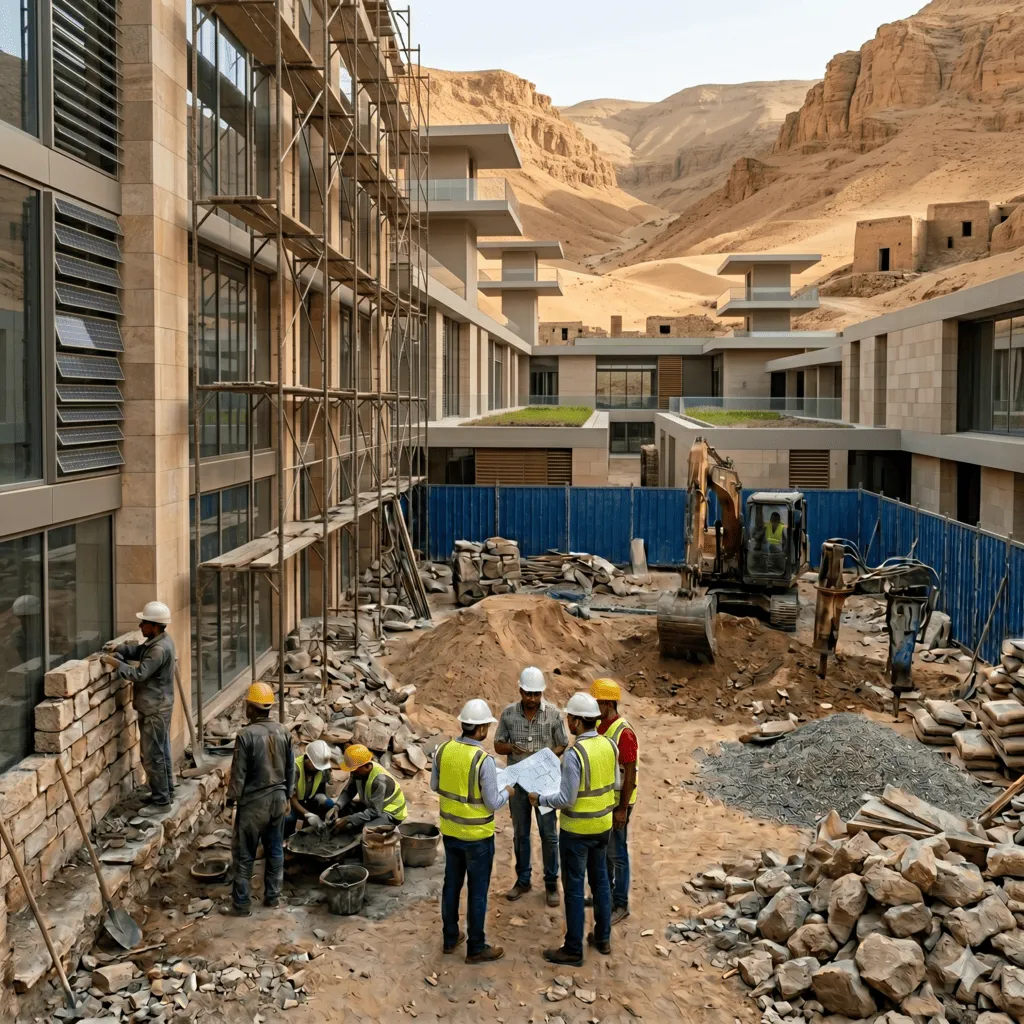
Transforming the Path: A New Era of Development and Discovery

Experience a comprehensive development journey along this historic route. We are elevating infrastructure, enhancing visitor experiences, and driving sustainable tourism to create a world-class destination that connects the past with the future.

Developing the Holy Family Trail in Egypt, Preparing 25 Sacred Sites for the World

Al Masar leads Egypt's landmark programme to develop the Holy Family Trail — restoring and upgrading 25 authenticated sacred sites from Sinai to Upper Egypt with the roads, hotels, rest houses, and visitor services needed to welcome pilgrims and travellers from every continent.

Our Partners

Egypt's leading institutions behind the trail

about us image

Priority Sites
Phase One

10

25

Sacred Stations
Along the Trail

About us image 2
About The Project

Reviving a Sacred Journey for the World

Al Masar is leading the development of the Holy Family Trail as a transformative spiritual, cultural, and tourism initiative, preparing the route to welcome pilgrims and visitors from around the world through integrated infrastructure, heritage preservation, and destination enhancement.

Across the trail, the project focuses on restoring surrounding environments, improving accessibility, and developing essential visitor facilities, including hospitality, transportation access, healthcare support, and pilgrim services. The initiative is designed to preserve the spiritual and historical significance of the journey while creating a sustainable and welcoming experience for future generations.

Read the Project Brief
Development Pillars

Six Pillars for Preparing the Trail

The Holy Family Trail is being developed through six integrated pillars that combine heritage preservation, infrastructure enhancement, hospitality readiness, digital integration, visitor services, and sustainable destination planning, creating a coordinated and welcoming pilgrimage experience across every sacred location.

01

Visitor Services & Hospitality Facilities

Hospitality and visitor-support facilities, including bazaars, restaurants, cafés, and rest areas, are being developed to provide pilgrims and tourists with a comfortable and enriching experience while supporting local economic activity and community engagement.

02

Landscape Design & Environmental Integration

Each site is being enhanced through landscaping, greenery, and thoughtful environmental design that reflects the spiritual and cultural character of the location. Boundary treatments and visual organization are also being introduced to preserve the integrity of the sacred spaces.

03

Visitor Transportation & Parking Facilities

Dedicated parking and waiting areas are being developed near the sites to accommodate buses, private vehicles, and organized pilgrimage groups. These facilities are designed to improve visitor flow, comfort, and operational efficiency.

04

Accessibility & Road Connectivity

Infrastructure improvements are being implemented to facilitate easier and safer access to the pilgrimage sites. This includes enhancing surrounding roads, improving directional access, and ensuring smoother movement for visitors and tour operators.

05

Surrounding Area Enhancement

Efforts are focused on removing unplanned or visually disruptive developments surrounding the sacred sites in order to restore the dignity, visibility, and spiritual atmosphere of each location. This creates a more welcoming and respectful environment for pilgrims and visitors.

06

Heritage Restoration & Site Revitalization

Sacred sites along the trail are being carefully restored and revitalized to preserve their historical, spiritual, and architectural significance. This includes improving the condition of churches, monasteries, and surrounding heritage areas to ensure they remain protected and accessible for future generations.

Mazarat · Sacred Stations

Sacred Journey Sites

Across Egypt, a series of revered sites commemorate the path of the Holy Family during their journey of refuge. Preserved through centuries of Coptic tradition, these living landmarks, including churches, monasteries, sacred trees, and holy springs, continue to serve as active places of prayer, worship, and pilgrimage for believers from around the world.

Church of the Virgin Mary - Mostorod
  • Greater Cairo
  • Sacred Churches

Church of the Virgin Mary - Mostorod

The Virgin Mary's Tree
  • Greater Cairo
  • Sacred Natural Landmarks

The Virgin Mary's Tree

St. Mary's Church in Haret Zeweila - El Gamaliya
  • Greater Cairo
  • Sacred Churches

St. Mary's Church in Haret Zeweila - El Gamaliya

Saints Sergius and Bacchus Church (Abu Serga)
  • Greater Cairo
  • Sacred Churches

Saints Sergius and Bacchus Church (Abu Serga)

The Virgin Mary Church - Maadi
  • Greater Cairo
  • Sacred Churches

The Virgin Mary Church - Maadi

Nabaa El Hamra
  • Wadi El Natrun
  • Sacred Natural Landmarks

Nabaa El Hamra - Wadi El Natrun

The Monastery of the Virgin Mary at Gabal El-Teir
  • Minya
  • Sacred Monasteries

The Monastery of the Virgin Mary at Gabal El-Teir - Al Minia

Deir Al-Amir Tadros
  • Assiut
  • Sacred Monasteries

Deir Al-Amir Tadros - Asyut

The Hanging Monastery of Saint Mina on Mount Abnoub
  • Assiut
  • Sacred Monasteries

The Hanging Monastery of Saint Mina on Mount Abnoub - Asyut

Deir El-Muharraq
  • Assiut
  • Sacred Monasteries

The Monastery of the Virgin Mary at Mount Qusqam (Deir El-Muharraq)

The Trail's Character

Three Expressions of the Journey

The Holy Family Trail is preserved through three distinct forms of sacred heritage: ancient churches that mark places of refuge and worship, monasteries that have safeguarded the faith for centuries, and natural landmarks associated with miracles and divine provision. Together, they reveal the spiritual, historical, and living legacy of the Holy Family's journey through Egypt.

Guardians of the Pilgrimage Heritage

Sacred Monasteries

Nestled in deserts, mountains, and remote landscapes, these monasteries have preserved the memory of the Holy Family's journey for centuries. They remain vibrant spiritual communities where monastic traditions, prayer, and pilgrimage continue uninterrupted.

  • Ancient monastic communities
  • Historic chapels, caves, and sacred altars
  • Continuous spiritual traditions spanning centuries
  • Major destinations for pilgrims and religious festivals

4

Sacred
Monasteries
see the Sacred Monasteries
Miracles Preserved by the Land

Sacred Natural Landmarks

Not all sacred places were built by human hands. Along the trail, certain trees, springs, and natural sites are revered because of their association with the Holy Family's journey. These landmarks remain enduring symbols of protection, provision, and divine presence.

  • Sacred trees and miraculous springs
  • Sites linked to traditions of healing and refuge
  • Natural landmarks preserved through centuries
  • Living symbols of faith, memory, and pilgrimage

2

Sacred
Natural Landmarks
see the Sacred Natural Landmarks
Places of Refuge, Worship, and Living Faith

Sacred Churches

These churches commemorate locations where the Holy Family is believed to have rested, prayed, or found shelter during their journey through Egypt. Many continue to serve as active centers of worship, preserving centuries of Christian devotion and tradition.

  • Historic churches built upon sacred traditions
  • Active places of prayer and pilgrimage
  • Important landmarks in Egypt's Christian heritage
  • Preserved through generations of faith and worship

4

sacred
Churches
see the Sacred Churches