Diecisiete siglos de liturgia ininterrumpida, esculpida en los acantilados frente al Nilo, donde las horas canónicas nunca han dejado de rezarse.
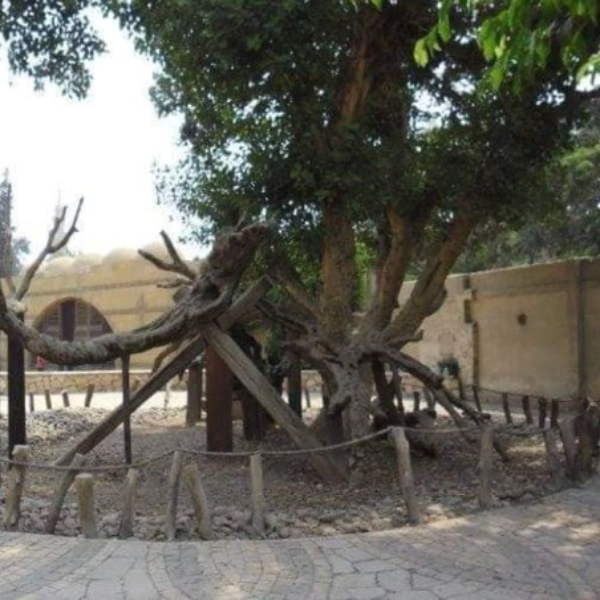
The Tree of Mary is considered one of the most significant sites along the Holy Family Route, as it was here that the Child Jesus caused a wellspring to gush forth, a well that remains at the site to this day. Beside it grew an aromatic plant known as the balsam; indeed, a street in the area bears its name "Balsam Street" while another is named "Mary's Well." Given the renown of this location, Empress Eugénie of France insisted upon visiting it during her trip to Egypt for the inauguration of the Suez Canal, held during the reign of Khedive Ismail.
The Proposed Plan:
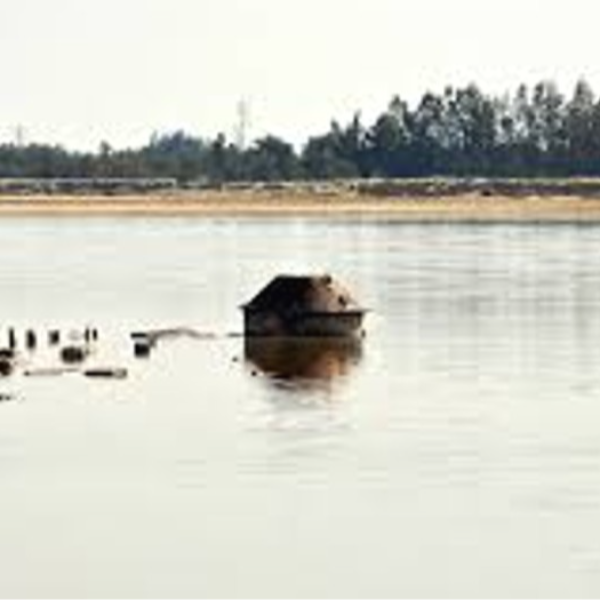
The Miraculous Spring ("Mary's Well"): According to Coptic tradition, when the Holy Family traversed the harsh desert of Wadi El Natrun, the infant Jesus grew thirsty. The Virgin Mary tried to gather water from the vast salt lake, but it was far too bitter. Upon her prayer, a freshwater spring erupted directly in the very center of this hypersaline lake so the child could drink.
A freshwater spring situated in the center of a saline lake.
The Holy Family visited this site and drank from this pristine spring.
It is located in close proximity to some of the oldest monasteries (St. Macarius, St. Bishoy, the Monastery of the Syrians, and the Monastery of the Romans).
The lake contains Natron salt, a substance utilized by the ancient Egyptians in the mummification process.
Proposed Development Plan: