Sur les 25 stations authentifiées le long du Chemin de la Sainte Famille, dix ont été sélectionnées pour la phase initiale de développement. Chaque fiche ci-dessous représente un site patrimonial vivant — église, monastère, arbre sacré ou source sainte — en cours de restauration pour accueillir les pèlerins du monde entier.
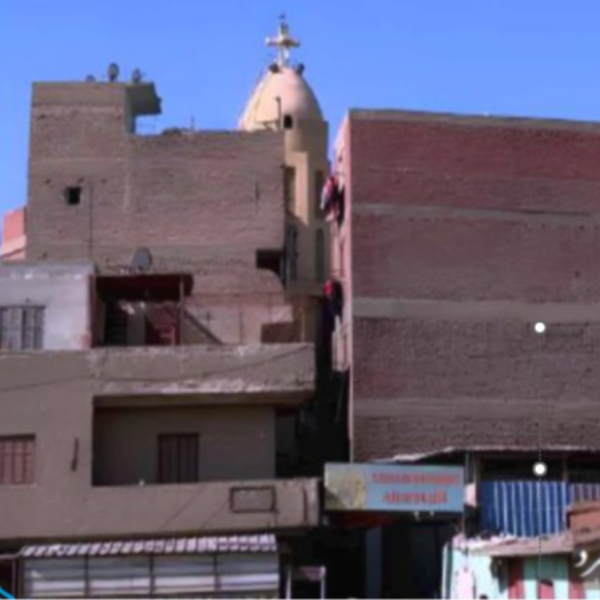
The Historical Church of the Blessed Virgin Mary in Mostorod (also known as Al-Mahama) is one of the most prominent stops along Egypt’s Holy Family Trail. Located just 10 kilometers north of Cairo in the Qalyubia Governorate, this Coptic Orthodox sanctuary marks the spot where the Virgin Mary, Saint Joseph, and the infant Jesus took refuge when fleeing King Herod.
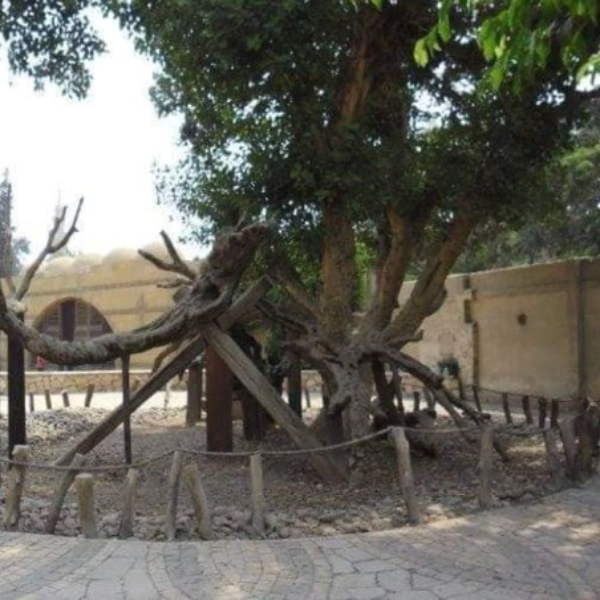
The Tree of Mary is considered one of the most significant sites along the Holy Family Route, as it was here that the Child Jesus caused a wellspring to gush forth, a well that remains at the site to this day. Beside it grew an aromatic plant known as the balsam; indeed, a street in the area bears its name "Balsam Street" while another is named "Mary's Well." Given the renown of this location, Empress Eugénie of France insisted upon visiting it during her trip to Egypt for the inauguration of the Suez Canal, held during the reign of Khedive Ismail.
The Proposed Plan:
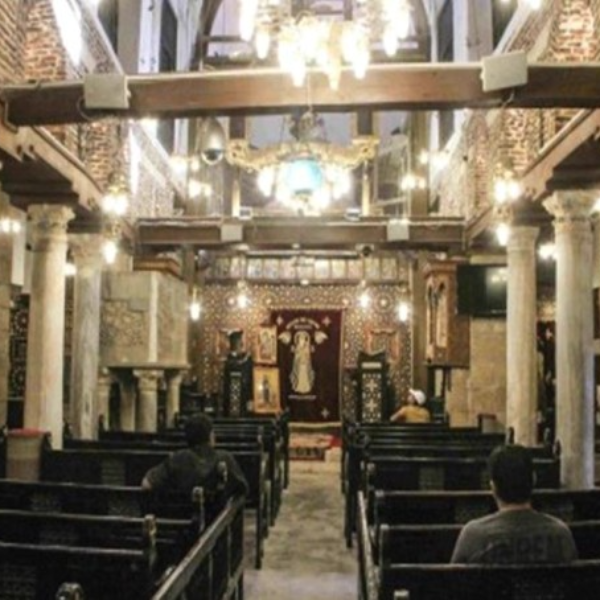
One of Cairo's oldest and most historically significant Coptic monuments, dating back to the 4th century AD. Located in the historic Fatimid district of El Gamaliya, it serves as a vital landmark along the Holy Family's flight to Egypt.
The Proposed Plan:
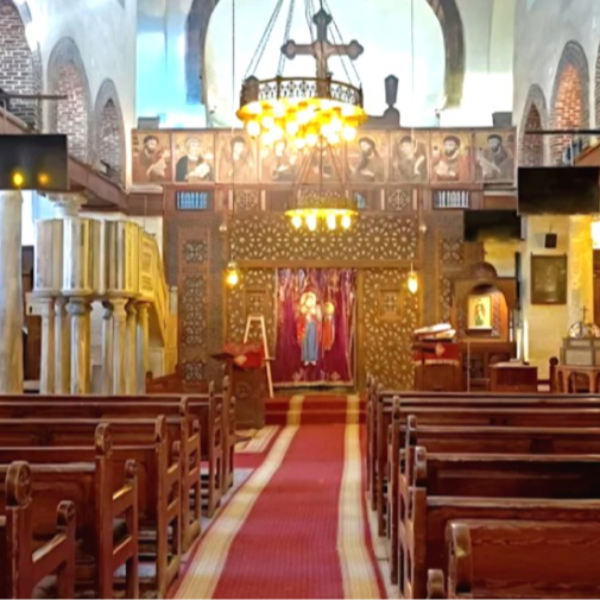
Saints Sergius and Bacchus Church (Abu Serga) is arguably the most sacred anchor on the Holy Family Trail, built directly over the specific subterranean cave where the Holy Family hid for three months.
The Proposed Project
The construction of a 150-room hotel designed to serve the region's archaeological sites—totaling 18 distinct locations—which encompass Islamic, Christian, and Jewish heritage.
The Challenges
Securing a 5-feddan plot of land within the previously cleared informal settlement zone, a site that presents significant investment opportunities.
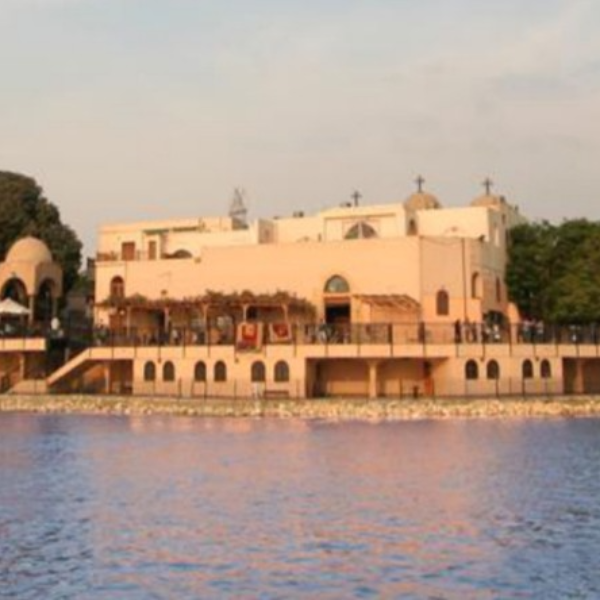
The Church of the Virgin Mary in Maadi marks the critical riverside location where the Holy Family concluded their journey through Cairo and boarded a wooden sailboat to travel south into Upper Egypt.
The Proposed Plan
Challenges
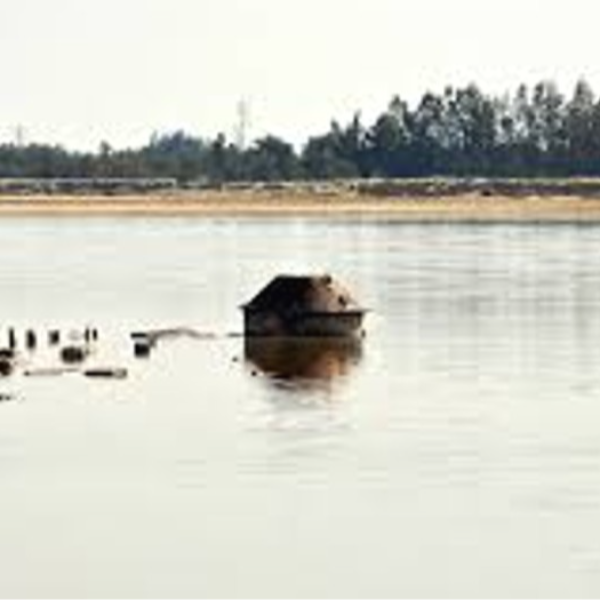
The Miraculous Spring ("Mary's Well"): According to Coptic tradition, when the Holy Family traversed the harsh desert of Wadi El Natrun, the infant Jesus grew thirsty. The Virgin Mary tried to gather water from the vast salt lake, but it was far too bitter. Upon her prayer, a freshwater spring erupted directly in the very center of this hypersaline lake so the child could drink.
A freshwater spring situated in the center of a saline lake.
The Holy Family visited this site and drank from this pristine spring.
It is located in close proximity to some of the oldest monasteries (St. Macarius, St. Bishoy, the Monastery of the Syrians, and the Monastery of the Romans).
The lake contains Natron salt, a substance utilized by the ancient Egyptians in the mummification process.
Proposed Development Plan:
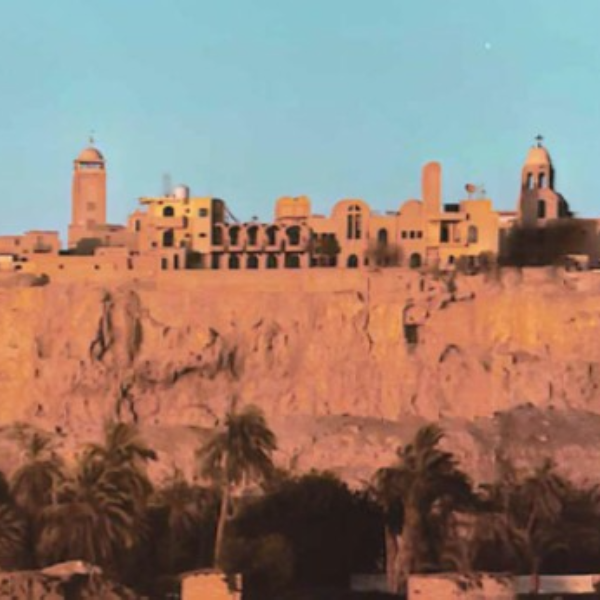
The heart of this monastery is an ancient church carved entirely out of the solid rock cliff face, sheltering the exact stone cave where the Holy Family hid for three days during their journey into Upper Egypt.
Proposed Development Plan:
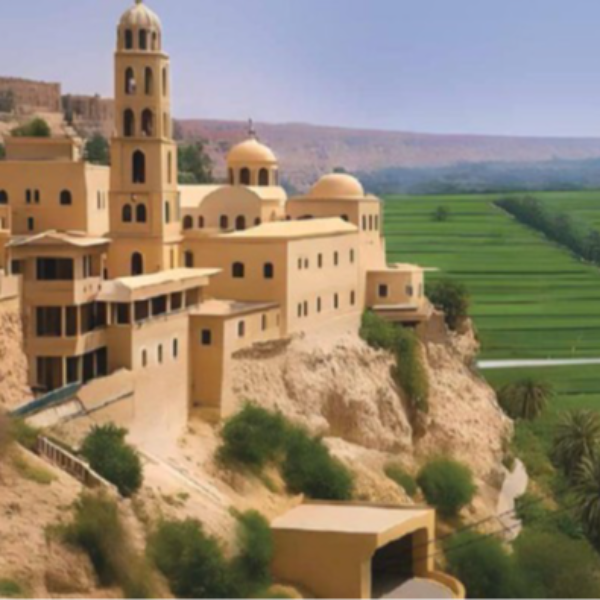
Like many strongholds in Upper Egypt, this 4th-century mountain monastery centers around an ancient church carved entirely out of a limestone cave. Local tradition holds that the Holy Family hid within this specific cliffside cavern to rest and evade Roman checkpoints patrolling the valley.
Proposed Plan:
To construct a cable car system connecting the Monastery of Prince Tadros with the Hanging Monastery of St. Mina at Mount Abnoub.
Challenges:
Obtaining the necessary permits and approvals for the construction of the cable car system.
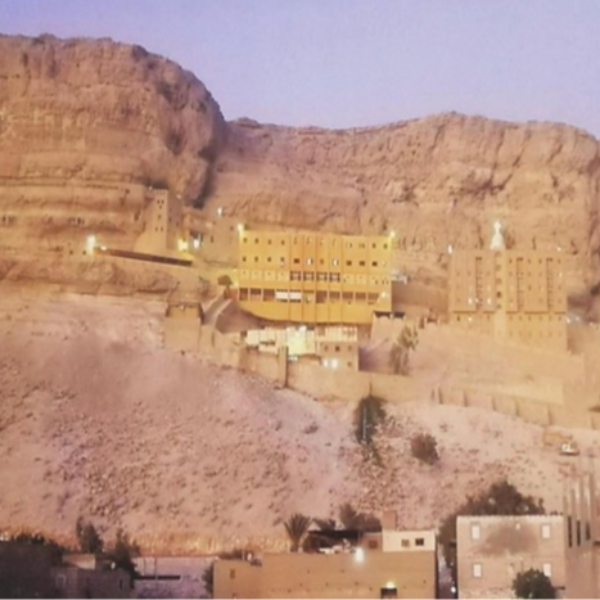
Hanging dramatically about 170 meters above sea level on a sheer cliff face, this 4th-century monastery was built around mountain caves that historically provided absolute secrecy. While the main body of the trail traces the valley floor, local traditions point to these elevated cliff systems as secure lookout zones where the Holy Family hid to map their safe passage, evading Herod's patrols before descending back down to the Nile banks.
The monastery is situated within the heart of the mountain, overlooking the Nile.
The Proposed Plan
Challenges
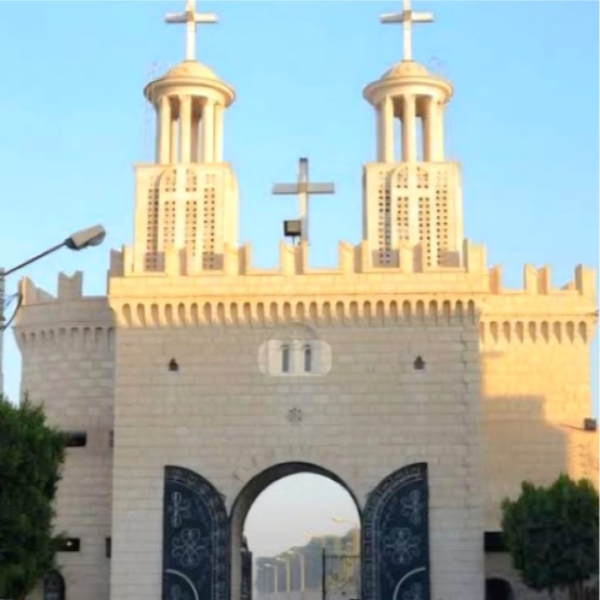
This is the absolute crown jewel and the most critical geographical location on the entire Holy Family Trail. The Holy Family resided here for six months and ten days, their longest single stay anywhere in Egypt.
Proposed Development Plan:
Challenges:
De la frontière nord aux montagnes de la Haute-Égypte — découvrez l’histoire de l’une des plus anciennes routes de pèlerinage au monde.