Nature Sacrée

Chaque station n'est pas construite de main d'homme. Certaines sont un arbre qui a donné de l'ombre, une source qui a étanché la soif, une montagne qui s'est inclinée avec révérence — préservés par la terre elle-même.
  • Le sycomore de Matareya — ombrageant toujours les pèlerins
  • Gabal El-Teir — le mont de l'Oiseau
  • La source sacrée d'Al-Hamra
  • Des signes vivants, entretenus par la tradition

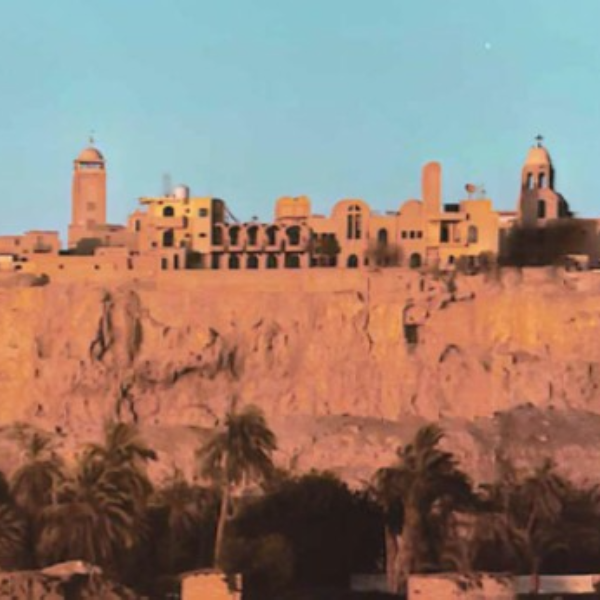
The Monastery of the Virgin Mary at Gabal El-Teir
  • Minya
  • Nature Sacrée

The Monastery of the Virgin Mary at Gabal El-Teir - Al Minia

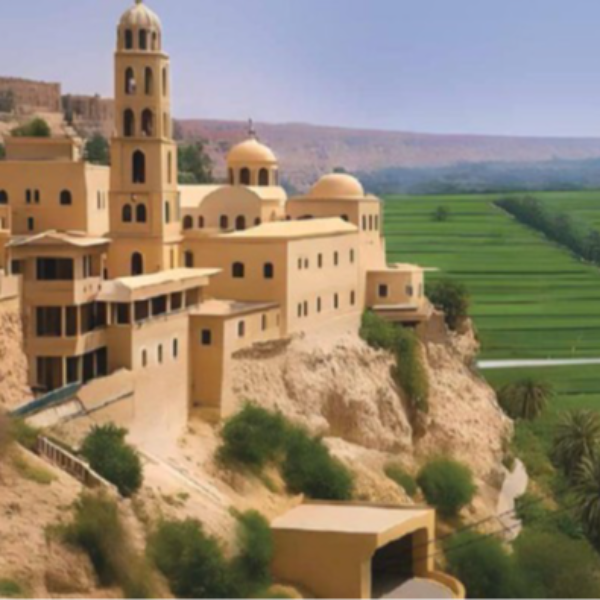
The heart of this monastery is an ancient church carved entirely out of the solid rock cliff face, sheltering the exact stone cave where the Holy Family hid for three days during their journey into Upper Egypt.

  • The monastery is situated atop the mountain adjacent to the Nile, east of Samalut in the Minya Governorate.
  • It stands as one of the most significant pilgrimage sites associated with the Holy Family, featuring a church carved directly into the rock face.
  • Approximately three million visitors, both Christians and Muslims, visit this church annually during August.
  • The site houses a grotto where the Holy Family once took refuge.

Proposed Development Plan:

  • Construction of a 4-star hotel with a capacity of 150 guest rooms.
  • Installation of a cable car system traversing the Nile and the agricultural lands to reach the mountain summit to the east.
  • Construction of a docking facility on the eastern bank of the Nile to accommodate tourist cruise ships, along with the establishment of a road link connecting the Desert Road to the Agricultural Road.
  • Allocation of a 6-acre plot of land to accommodate the hotel, as well as other tourism-related activities and projects.

Deir Al-Amir Tadros
  • Assiout
  • Nature Sacrée

Deir Al-Amir Tadros - Asyut

Like many strongholds in Upper Egypt, this 4th-century mountain monastery centers around an ancient church carved entirely out of a limestone cave. Local tradition holds that the Holy Family hid within this specific cliffside cavern to rest and evade Roman checkpoints patrolling the valley.

  • The monastery is situated directly on the Nile River.
  • It is considered a distinguished archaeological site.
  • It features caves carved into the mountain.

Proposed Plan:
To construct a cable car system connecting the Monastery of Prince Tadros with the Hanging Monastery of St. Mina at Mount Abnoub.

Challenges:
Obtaining the necessary permits and approvals for the construction of the cable car system.
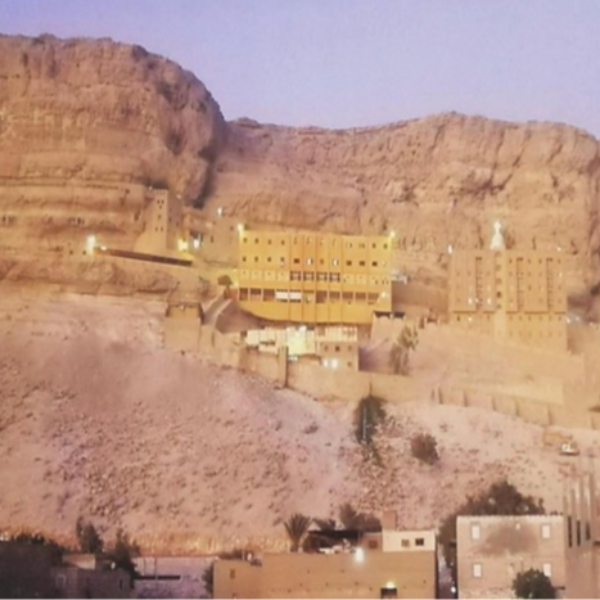
The Hanging Monastery of Saint Mina on Mount Abnoub
  • Assiout
  • Nature Sacrée

The Hanging Monastery of Saint Mina on Mount Abnoub - Asyut

Hanging dramatically about 170 meters above sea level on a sheer cliff face, this 4th-century monastery was built around mountain caves that historically provided absolute secrecy. While the main body of the trail traces the valley floor, local traditions point to these elevated cliff systems as secure lookout zones where the Holy Family hid to map their safe passage, evading Herod's patrols before descending back down to the Nile banks.

The monastery is situated within the heart of the mountain, overlooking the Nile.

The Proposed Plan

  • Construction of a 4-star hotel with a capacity of 100 guest rooms.
  • Installation of an elevator to facilitate tourist access to the grotto and the adjacent archaeological site located within the mountain.

Challenges

  • Paving the road leading to the monastery.
  • Securing licensing approvals and administrative facilities required for implementing the plan.
  • Acquisition of a 5-acre plot of land adjacent to the monastery for the construction of the hotel and associated tourism facilities.

Deir El-Muharraq
  • Assiout
  • Nature Sacrée

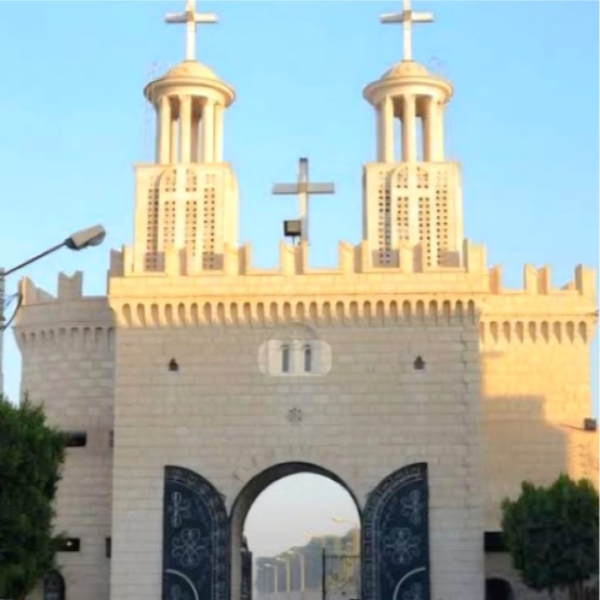
The Monastery of the Virgin Mary at Mount Qusqam (Deir El-Muharraq)

This is the absolute crown jewel and the most critical geographical location on the entire Holy Family Trail. The Holy Family resided here for six months and ten days, their longest single stay anywhere in Egypt.

  • The site encompasses the Church of the Virgin Mary, also known as "The Abandoned House" where the Holy Family once resided; the structure has remained preserved in its original state to this day.
  • This church is considered the very first church in the world, having been consecrated by Jesus Christ Himself.
  • A monastery for monks has been established adjacent to the church.
  • The area has evolved into a sacred site, attracting tourists from all corners of the globe.

Proposed Development Plan:

  • Construction of a hotel featuring 100 guest rooms.
  • Establishment of an exhibition hall for ancient artifacts within the monastery.
  • Development of a visitor center, situated outside the monastery walls, comprising a cafeteria, a medical clinic, and restroom facilities.

Challenges:

  • Paving the access road leading to the monastery.
  • Identifying a suitable location for the hotel and the tourist facilities intended to serve international visitors.